
Table of Contents
Your business looks healthy. Your numbers say otherwise.
Every project is staffed. Every team is working. Timesheets are filled out, standups are happening, and clients are (mostly) happy.
And yet, at the end of the quarter, the numbers don’t add up the way they should:
- Projects that should have closed on time drag into overtime
- Margins that should be improving are flat or shrinking
- Your best people seem constantly overloaded, while others are underutilized
- Delivery feels harder this year than last, even though the team is bigger
If this sounds familiar, the issue isn’t effort. It’s visibility.
You can’t fix what you can’t see, and most businesses can’t see where their productivity is actually going.
That’s the exact gap a productivity audit is designed to close.
What a Productivity Audit Really Reveals
A productivity audit is a structured review of how work moves through your business, where time is well spent, where it’s wasted, and what that waste is costing you. Unlike a standard utilization report, it does not stop at how many hours were logged. It goes further by connecting effort to outcomes across your entire delivery operation.
A well-run audit typically looks at:
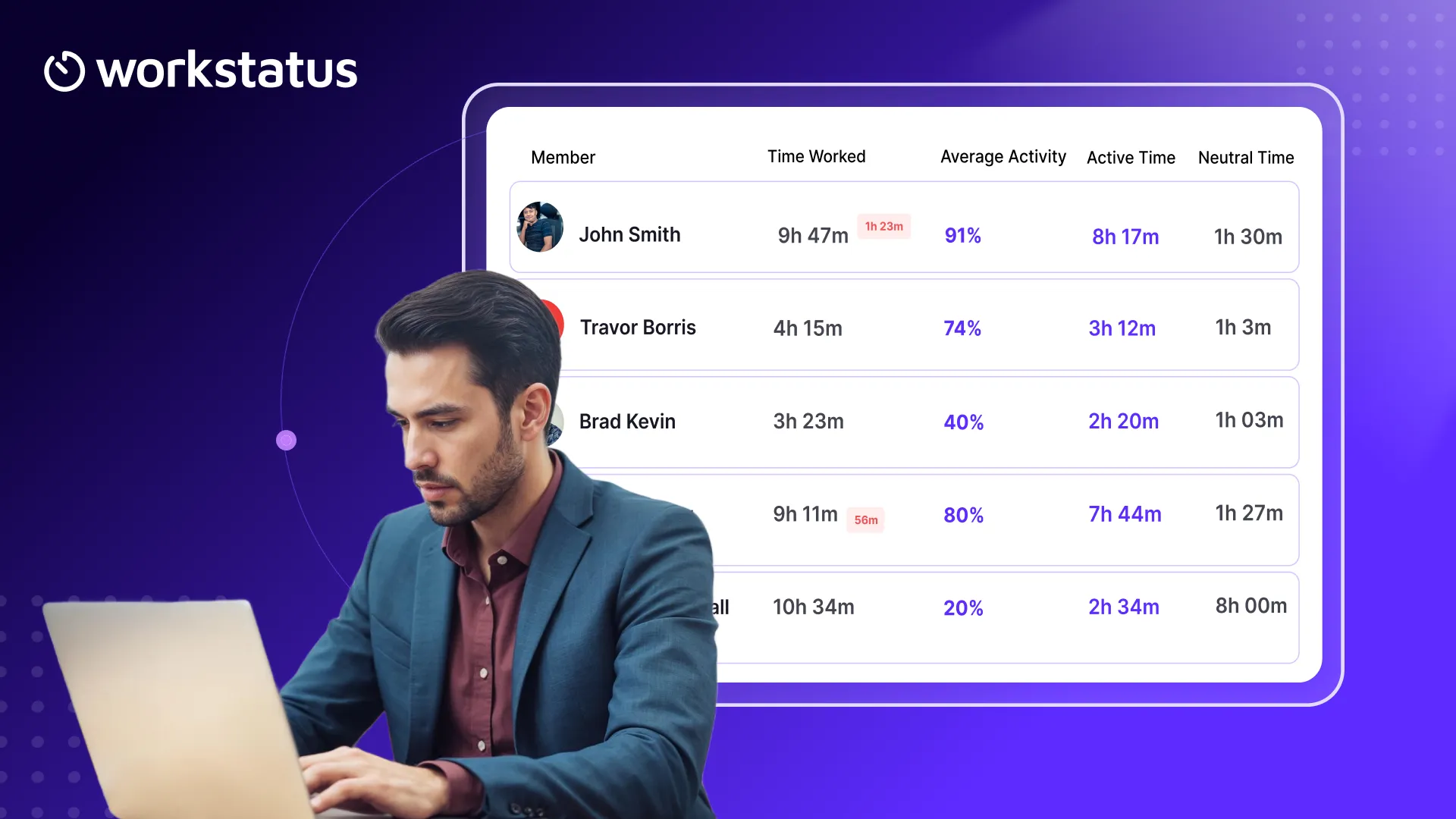
Resource Utilization
Who’s overloaded, who’s underused, and where allocation is misaligned with actual project needs.
Productivity Leaks
The small, invisible drains: constant context-switching, manual processes, excessive coordination, and unnecessary meetings.
Delivery Bottlenecks
Where handoffs stall, approvals sit too long, or dependencies quietly derail timelines weeks before a deadline is missed.
Workload Balance
Whether work is distributed fairly or whether a few people are carrying the team while others coast.
Operational Efficiency
How work actually flows through your teams, versus how it’s supposed to flow on paper.
Cost of Lost Productivity
The number that matters most to leadership: what inefficiency is actually costing you in real dollars.
Why This Hits Service Businesses Hardest
If you run an agency, IT services firm, consultancy, or BPO, your entire business model runs on one asset: billable time. There’s no product margin to absorb inefficiency. No inventory buffer. When productivity drops, it shows up immediately, and it shows up everywhere at once:
- Utilization rates slide
- Project margins compress
- Delivery timelines stretch
- Operating costs quietly climb
- Resourcing decisions become reactive instead of strategic
The dangerous part is that none of this happens all at once. It builds slowly, invisibly, until a missed deadline or a tense client call forces someone to finally ask, “Wait – where did the time go?”
A productivity audit answers that question before it becomes a crisis, not after.
Latest Workstatus Updates Built for This Exact Problem
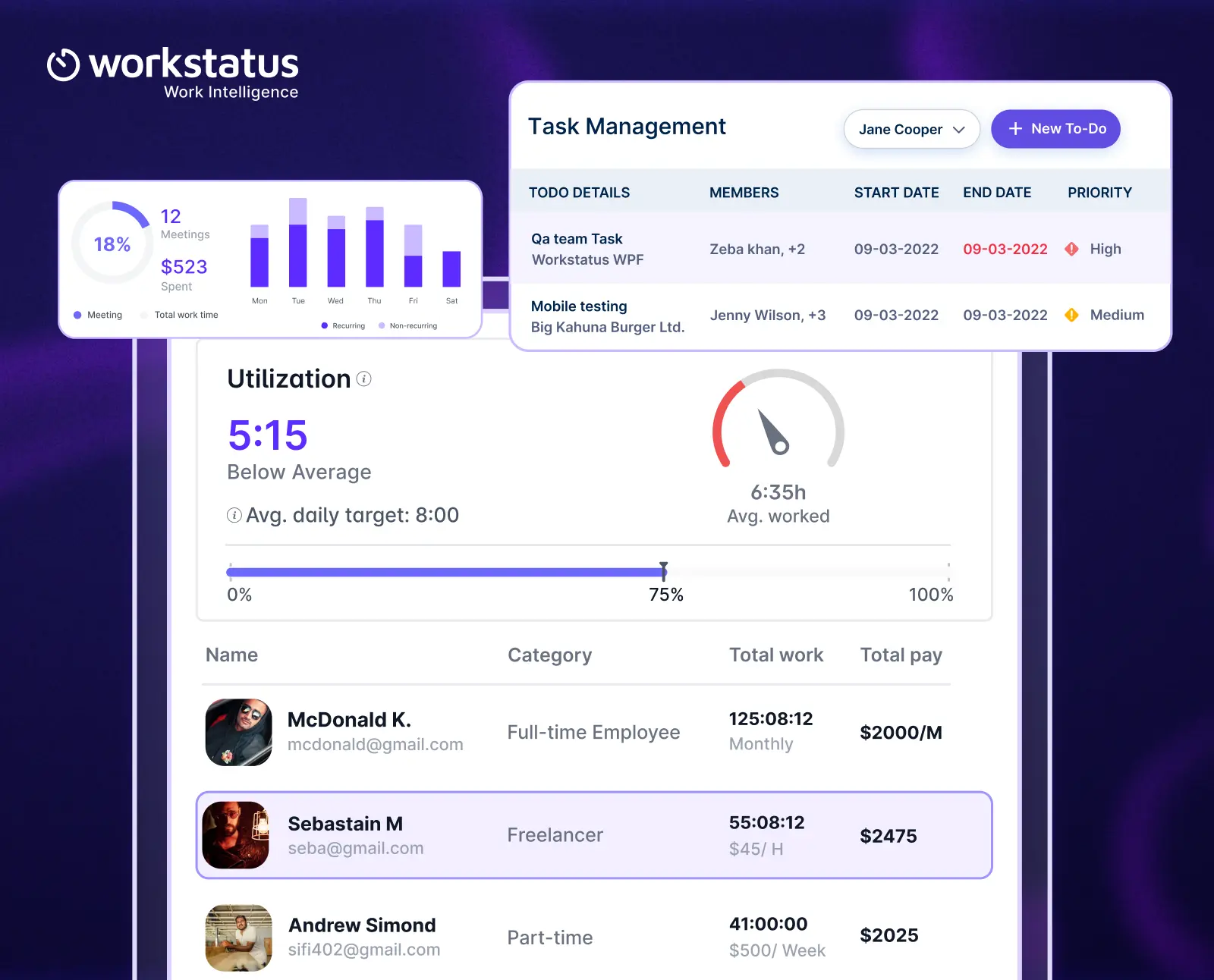
Workstatus has rolled out several major updates recently, all aimed at giving leaders sharper, faster visibility into productivity, utilization, and delivery health.
1. Enhanced Resource Utilization Reports:
Deeper breakdowns of capacity utilization, billable utilization, and team allocation, now with advanced filtering and improved data accuracy.
2. Visual & Scheduled Reporting:
Utilization and productivity data now render in visual dashboards, with reports that can be scheduled and delivered automatically to leadership.
3. Upgraded Project & Task Management:
Clearer workflow visibility, better task tracking, and more accurate progress reporting across active projects.
4. More Reliable Recurring Tasks:
Recurring task handling has been improved to reduce dropped tasks and inconsistent tracking across long-running projects.
5. Revamped Client Portal:
A refreshed portal adds project discussions, better contact management, and refined access.
Together, these updates aren’t just feature additions; they’re the infrastructure for running better, faster productivity audits without extra manual work.
Explore all workforce reports in one place.
What You Actually Get From a Workstatus Audit
Every audit is built to produce decisions, not just data:
- Productivity cost analysis, in real dollars
- Resource utilization insights specific to your teams
- A detailed breakdown of where productivity is leaking
- Industry benchmarking, so you know where you stand
- Prioritized recommendations ranked by impact
- A three-year ROI projection
- An executive-ready PDF report, ready for your next leadership meeting
The Bottom Line
Growth adds complexity. More projects, more clients, more resources moving in parallel; every layer adds a new place for inefficiency to hide. Without visibility, those inefficiencies stay invisible until they show up in a missed deadline or a shrinking margin. A productivity audit puts that visibility back in your hands, on your terms, before it costs you.
FAQs
Q. What is a productivity audit?
Ans. A productivity audit is a structured assessment of how effectively your team’s time and effort convert into business outcomes, covering utilization, delivery bottlenecks, workload balance, and the real cost of inefficiency.
Q. How is a productivity audit different from a timesheet report?
Ans. Timesheets show how many hours were worked. A productivity audit shows how well that time was used, where it was wasted, where delivery slowed down, and what it’s costing the business.
Q. How long does a Workstatus productivity audit take?
Ans. The audit itself is a 30-minute review, after which you receive a personalized, executive-ready report with findings and recommendations.
Q. Who should run a productivity audit?
Ans. It’s most valuable for service-based businesses, agencies, IT services firms, consultancies, and BPOs, where revenue is directly tied to billable time and delivery efficiency.