
Table of Contents
Most organizations have access to a large amount of workforce data.
They track:
- Hours worked
- Utilization rates
- Attendance
- Project updates
- Productivity metrics
Yet operational problems still happen.
- Projects fall behind schedule.
- Teams become overloaded.
- Resources are not used effectively.
- Operational costs increase.
- Profitability suffers.
The problem is not a lack of data. The problem is that traditional workforce reporting mainly looks at the past. Modern operations need visibility into what is happening right now.
This is why more organizations are adopting operational intelligence software.
The focus is shifting from reviewing past activity to understanding how work affects operations and business performance in real time.
Why Traditional Workforce Reporting Is Falling Short
Traditional workforce reporting helps organizations measure performance.
It answers questions such as:
- How many hours were worked?
- What was team utilization?
- Which tasks were completed?
- What happened last week or last month?
These reports are useful. But they are usually reviewed after the work is done.
- A utilization report may show that a team was overloaded.
- A project report may show missed deadlines.
- A productivity report shows performance issues.
By the time these problems appear in reports, delivery schedules, and operational performance may already be affected.
Reporting tells you what happened. It does not always explain why it happened or what needs attention now.
What Is Operational Intelligence?
Operational intelligence uses real-time data to help organizations monitor work, identify issues, and take action quickly.
It combines workforce data, project information, and operational processes into one view.
Instead of waiting for reports, leaders can see what is happening as work moves forward.
This helps teams spot problems earlier and make better decisions.
Common operational intelligence examples include:
- Identifying workload imbalances
- Monitoring resource capacity
- Tracking project progress
- Detecting delivery risks
- Finding operational bottlenecks
Unlike traditional reporting, real-time operational intelligence focuses on current conditions instead of past results.
The Shift Toward Operational Intelligence
Operations are becoming more complex.
- Project priorities change.
- Workloads increase and decrease.
- Resources move between projects.
- Teams work across different locations.
- Small issues can quickly affect delivery performance.
This is where operational process intelligence becomes valuable.
Instead of looking at workforce data, project data, and productivity metrics separately, organizations need an integrated view.
An operational intelligence platform brings this information together.
It helps leaders understand how work is moving across teams and projects. It also helps identify issues before they become bigger problems.
Operational Intelligence vs Workforce Reporting
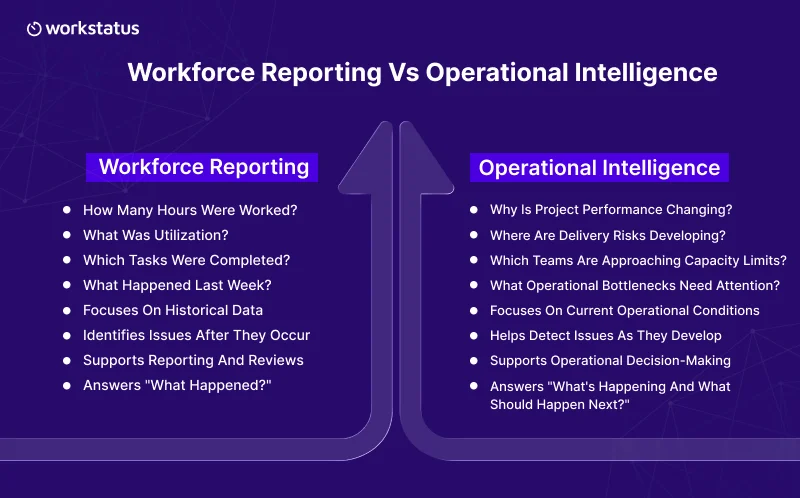
There is a significant difference between operational intelligence and workforce reporting
Workforce reporting helps organizations measure results. Operational intelligence helps organizations improve results.
Why Operational Intelligence Matters
Operational problems rarely appear overnight. They usually start with small warning signs.
- Workloads increase
- Teams reach capacity
- Project backlogs grow
- Deadlines begin to move
- Productivity starts to decline
These signs often appear long before they show up in reports. Without visibility, organizations are forced to react after performance has already been affected.
An operational intelligence platform helps bring these signals together. Leaders can see how workloads, resources, productivity, and project execution are connected.
This helps organizations:
- Make decisions using real-time information
- Improve team productivity
- Identify operational issues earlier
- Improve daily operations
- Maintain visibility as the business grows
How Operational Intelligence Improves Operations
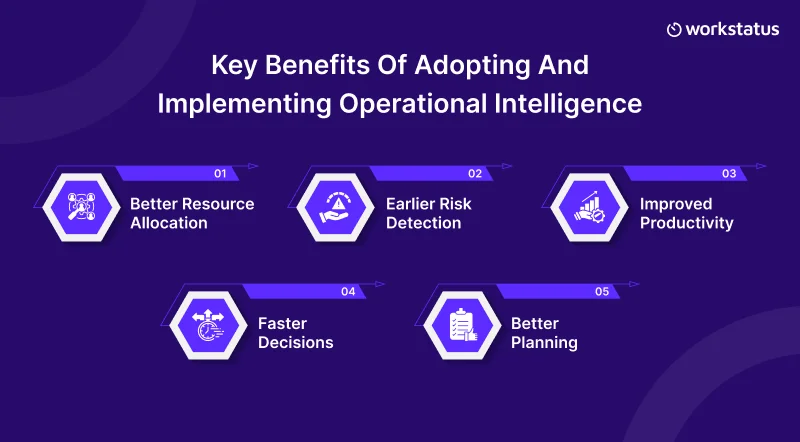
Organizations use operational business intelligence to gain a better understanding of how work affects business performance.
Better Resource Allocation
Managers can see where workloads are increasing and allocate resources more effectively.
Earlier Risk Detection
Teams can identify project delays and operational bottlenecks before they affect delivery.
Improved Productivity
Combining workforce visibility with productivity intelligence helps organizations understand how work patterns affect performance.
Faster Decisions
Leaders can respond to issues using current information instead of waiting for reports.
Better Planning
Real-time visibility supports better capacity planning, staffing decisions, and project execution.
Why Operational Intelligence Is Becoming More Important
Most organizations already have access to workforce and project data. The challenge is understanding what that data means.
This is where operational intelligence solutions help. They bring workforce, productivity, project, and operational data together. This gives organizations a clearer picture of operational performance.
Many businesses combine operational business intelligence with workforce insights to improve:
- Workforce capacity
- team utilization
- Productivity
- Project execution
- Operational performance
New developments in operational artificial intelligence are also helping organizations identify patterns and respond to operational issues faster.
How Workstatus Helps Build Operational Intelligence
Most organizations already have reporting systems. What they often lack is a complete view of how work affects operations and delivery.
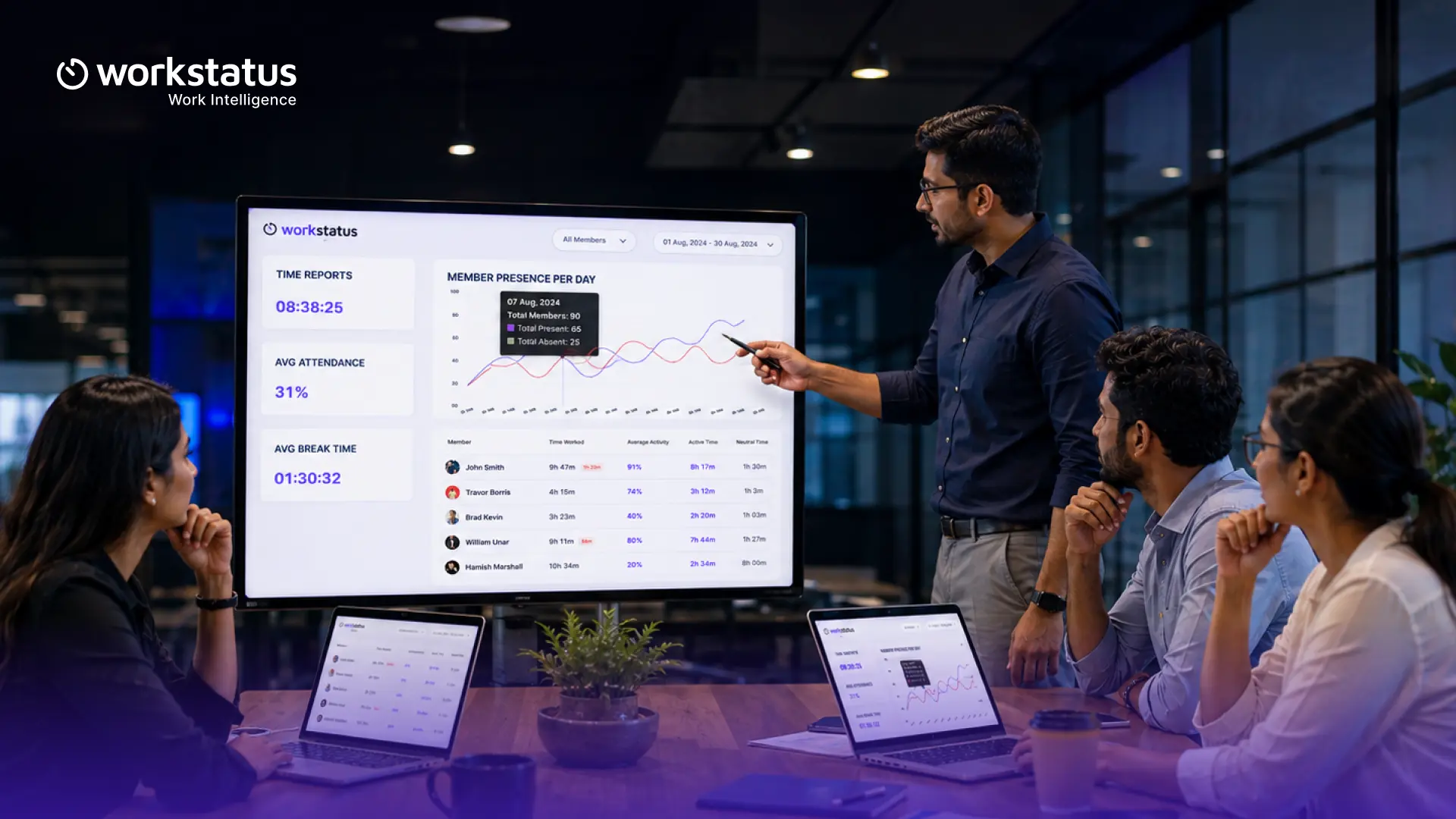
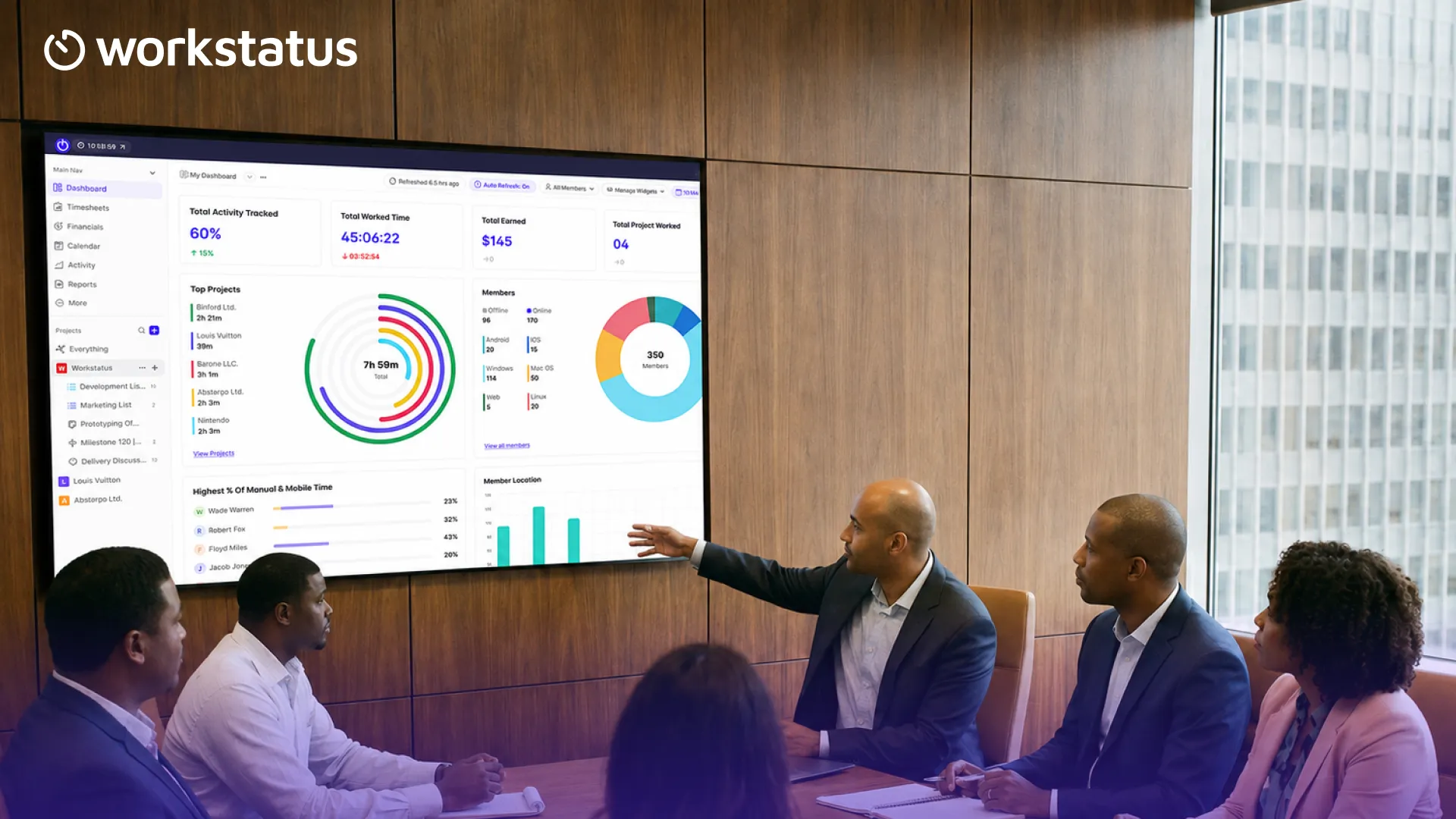
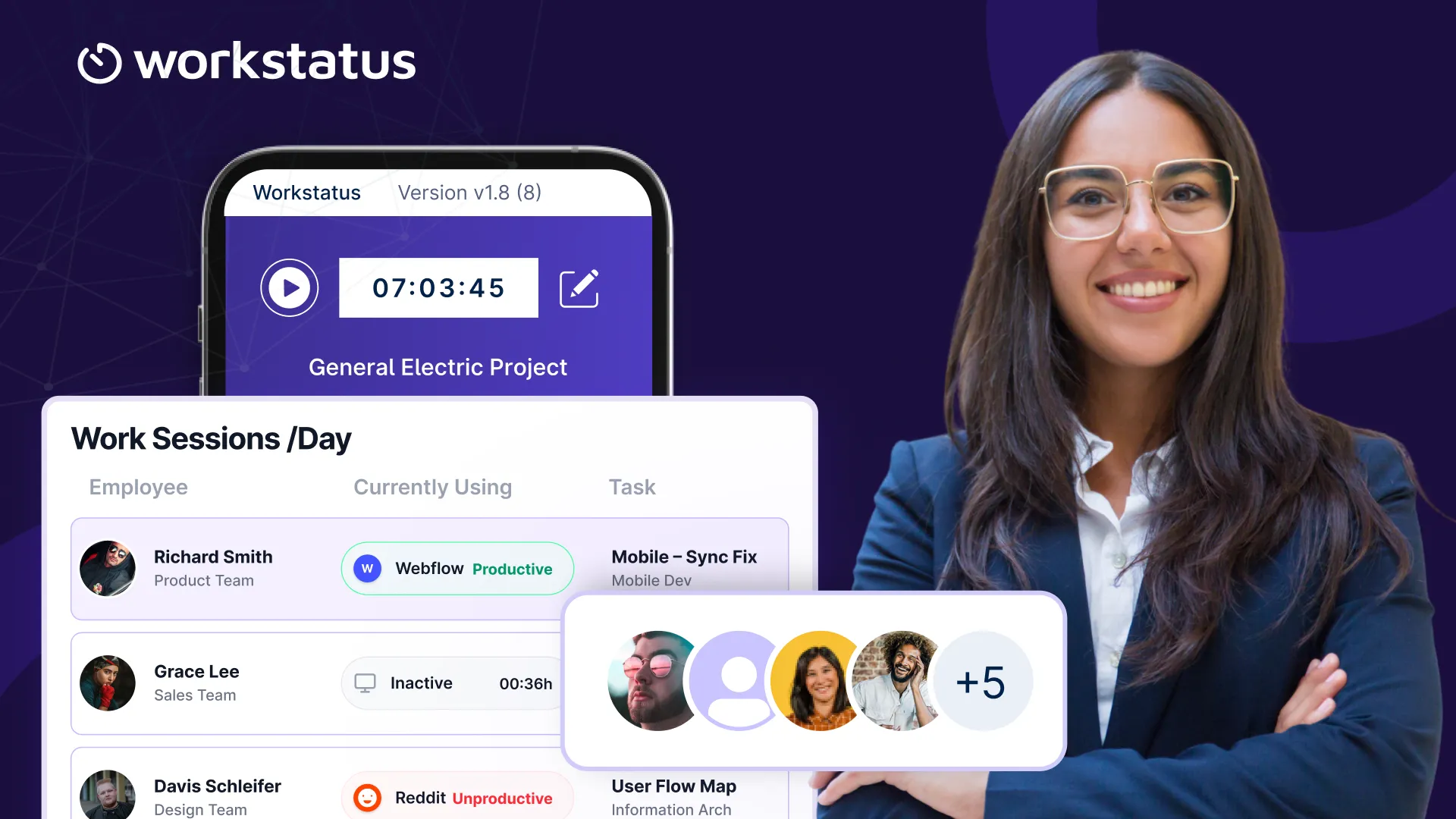
This is where Workstatus plays a major role. It helps organizations move beyond traditional reporting with workforce intelligence software. It combines workforce intelligence with operational intelligence to provide complete and real-time visibility over how work happens.
As a work intelligence platform, Workstatus brings workforce, productivity, project, and operational data together in one place.
With a centralized platform, organizations can
- Monitor workforce capacity and utilization
- Identify workload imbalances
- Track project execution in real time
- Detect operational bottlenecks
- Improve resource allocation
- Improve visibility into delivery performance
Built-in workforce analytics software helps teams monitor utilization, identify trends, and support planning decisions.
Project Intelligence™ provides visibility into project execution, delivery risks, and resource allocation. It helps businesses scale with confidence by enabling accurate, data-driven decisions while ensuring full visibility across operations.
Together, these capabilities make Workstatus one of the practical operational intelligence tools for organizations that want better visibility across teams, projects, and operations.
Final Thoughts
Traditional workforce reporting is still useful. It helps organizations measure performance and review results. But modern operations require more than historical reports. Organizations need visibility into work as it happens. This is why operational intelligence software is becoming an important part of modern operations.
By combining workforce visibility with operational process intelligence through an operational intelligence platform, organizations can improve resource utilization, strengthen delivery performance, reduce operational risks, and make better decisions.
As businesses grow, operational intelligence solutions become increasingly important for maintaining operational efficiency and consistent project delivery.
The organizations that perform best are not always the ones with the most reports. They are the ones who can see what is happening across their operations and act before problems affect results.
FAQS
1. What is operational intelligence?
Operational intelligence is the use of real-time data to monitor operations, identify issues, and improve business decisions.
2. How is operational intelligence different from workforce reporting?
Workforce reporting shows what happened. Operational intelligence explains what is happening now and helps teams take action faster.
3. What are some examples of operational intelligence?
Examples include:
- Monitoring team productivity
- Tracking project progress
- Identifying resource gaps
- Detecting attendance trends
- Analyzing utilization rates
4. What are the benefits of an operational intelligence platform?
It helps businesses:
- Improve visibility
- Make faster decisions
- Increase productivity
- Optimize resources
- Reduce operational inefficiencies
5. How does real-time operational visibility improve business performance?
It helps managers identify problems early, respond quickly, and keep projects, teams, and resources on track.
6. How does Workstatus help organizations improve operational intelligence?
Workstatus provides real-time insights into productivity, attendance, utilization, project performance, and workforce operations to support better decision-making.
7. How does operational intelligence software work?
It collects data from business activities, analyzes it in real time, and presents actionable insights through dashboards and reports.
8. How much does operational intelligence software cost?
The cost varies based on features, team size, and deployment needs. Most solutions offer monthly or annual subscription plans.
9. How does operational intelligence help protect project margins and utilization?
It helps identify budget overruns, underutilized resources, and productivity issues early, allowing teams to improve profitability and resource utilization.