
Table of Contents
Is your team always busy, but project profits still seem lower than expected?
One common reason is non-billable work tasks like
- Internal meetings
- Admin work
- Revisions
- Team coordination
That takes time, but does not directly bring in revenue.
When this work is not tracked properly, it can affect both project margins and employee well-being, making it harder to reduce project cost overruns.
In this blog, you’ll explore what non-billable work is, why it matters, and how to track it without putting extra pressure on your team.
Let’s go!!
Understanding Non-Billable Work
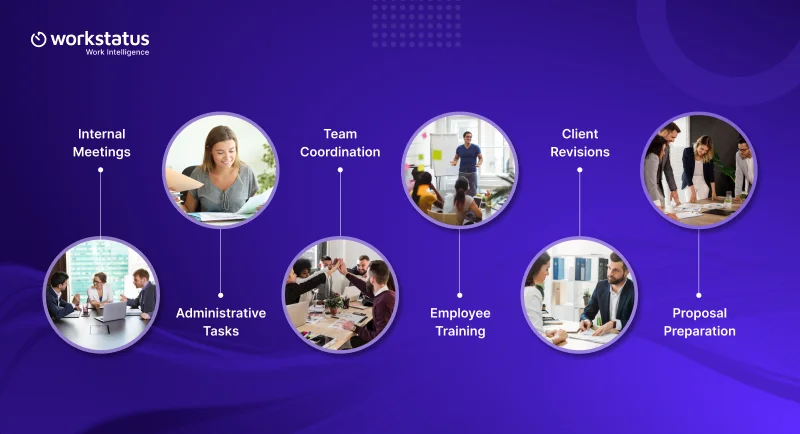
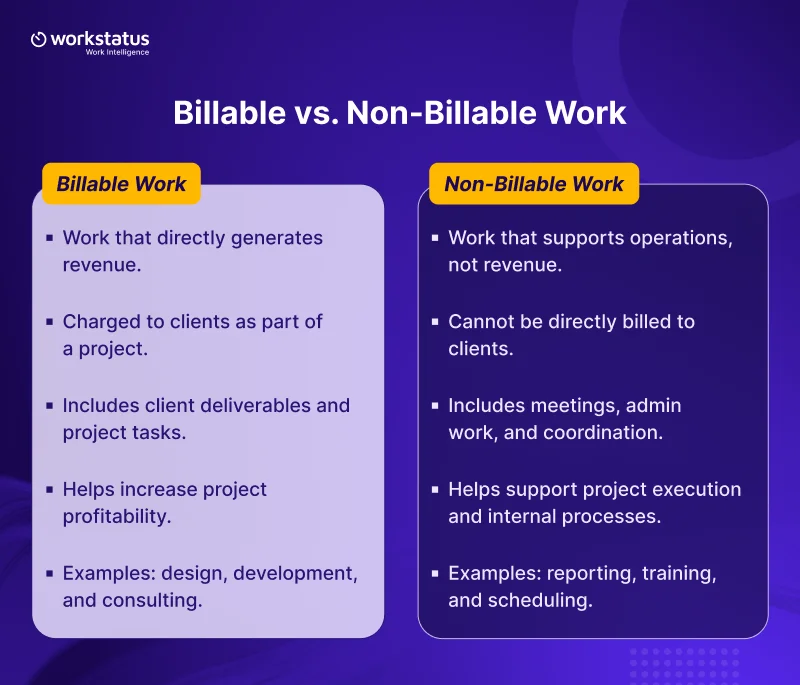
Non-billable work basically means the tasks that support the business operations, but they are not charged directly to the client.
In short, these tasks are an essential part for managing projects and daily operations, but they do not generate any revenue in the business.
Here’s what comes under the non-billable work:
- Internal meetings for planning and team discussions
- Administrative work like reporting and scheduling
- Team communication and project coordination
- Employee training and onboarding activities
- Client revisions and extra changes outside the original scope
While these tasks may not directly generate revenue, they consume valuable team time and play an important role in keeping workloads balanced and preventing employee burnout.
Billable vs. Non-Billable Work
Why Non-Billable Work Often Goes Invisible?
Non-billable work often goes unnoticed because it is treated as a normal part of daily operations.
Since these tasks do not directly contribute to revenue, businesses may fail to track how much time teams actually spend on them.
Here are some common reasons why non-billable work goes unnoticed:
- Focus stays on billable hours
- Small tasks add up over time
- Teams do not track internal work
- Meetings and coordination are overlooked
- Employees multitask across projects
- Manual tracking creates gaps
When non-billable work remains invisible, it becomes harder to understand team workloads, manage resources, and maintain healthy project margins.
How to Track Billable and Non-Billable Work
Have you ever given this a thought about how much time your team actually spends on the tasks that don’t bring any revenue?
While the non-billable tasks are important, too many of them can impact your project margins and productivity.
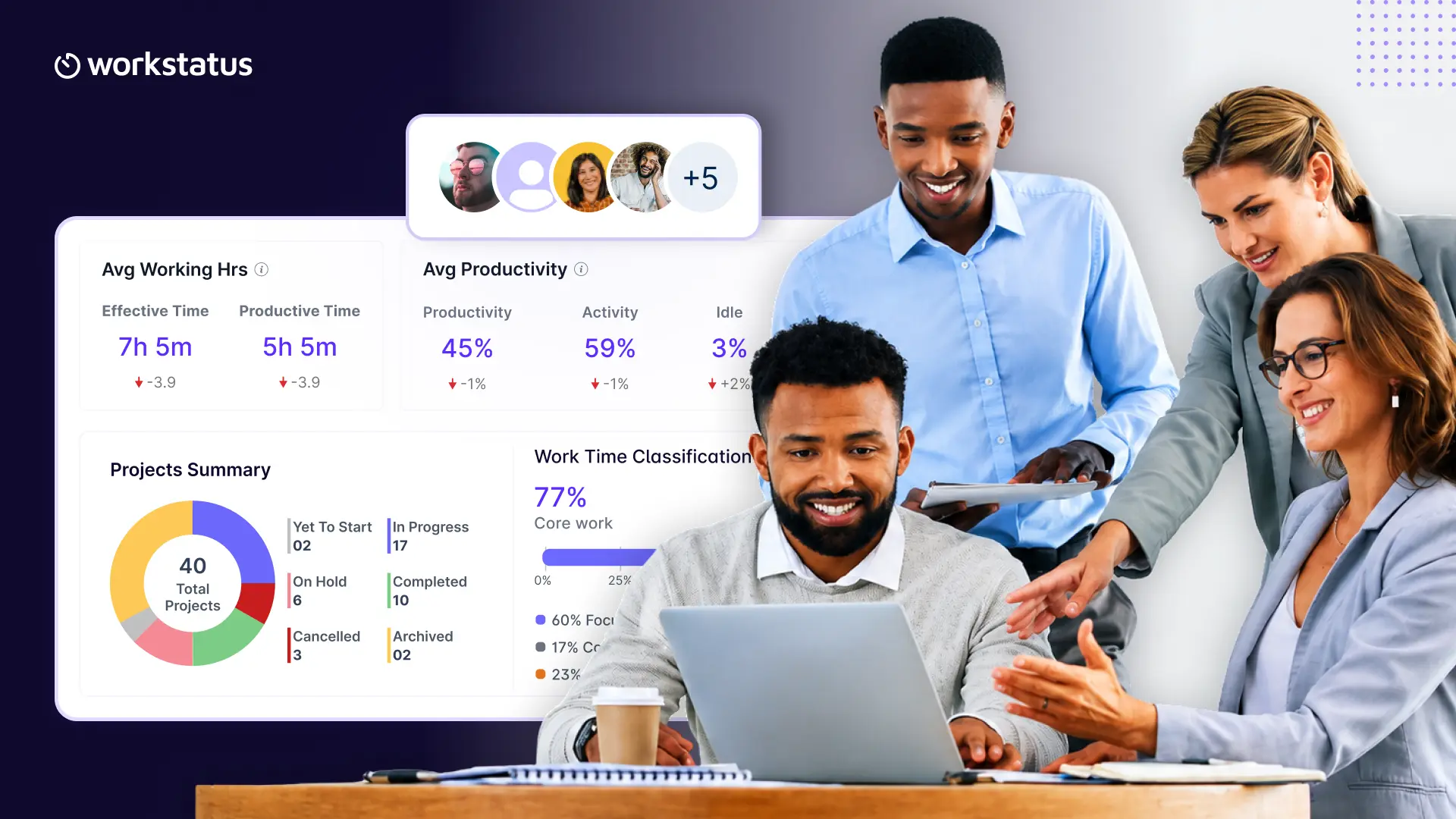
That’s where Workstatus comes in, it helps you see where the time is actually going. It gives the team real-time insight while protecting their well-being, too.
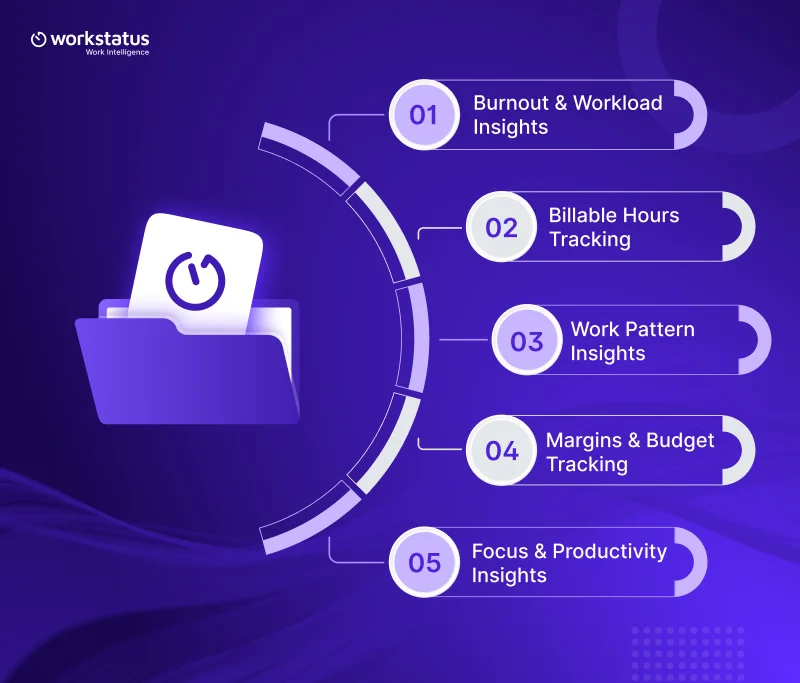
Here’s how it helps:
- Burnout & workload insights to identify overloaded teams
- Billable hours tracking for accurate project and client billing
- Work pattern insights to understand how time is being spent
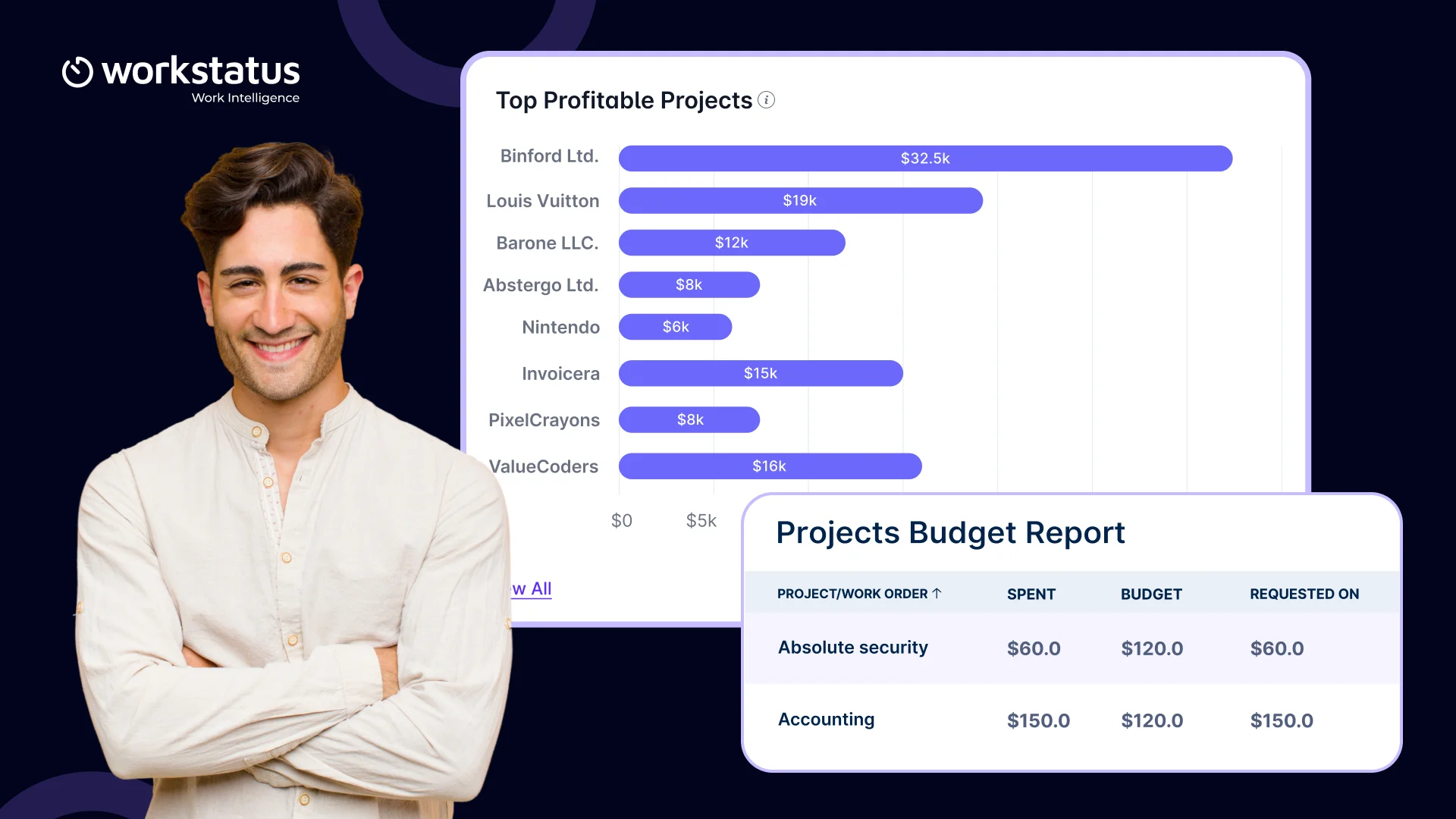
- Margins & budget tracking to improve project profitability
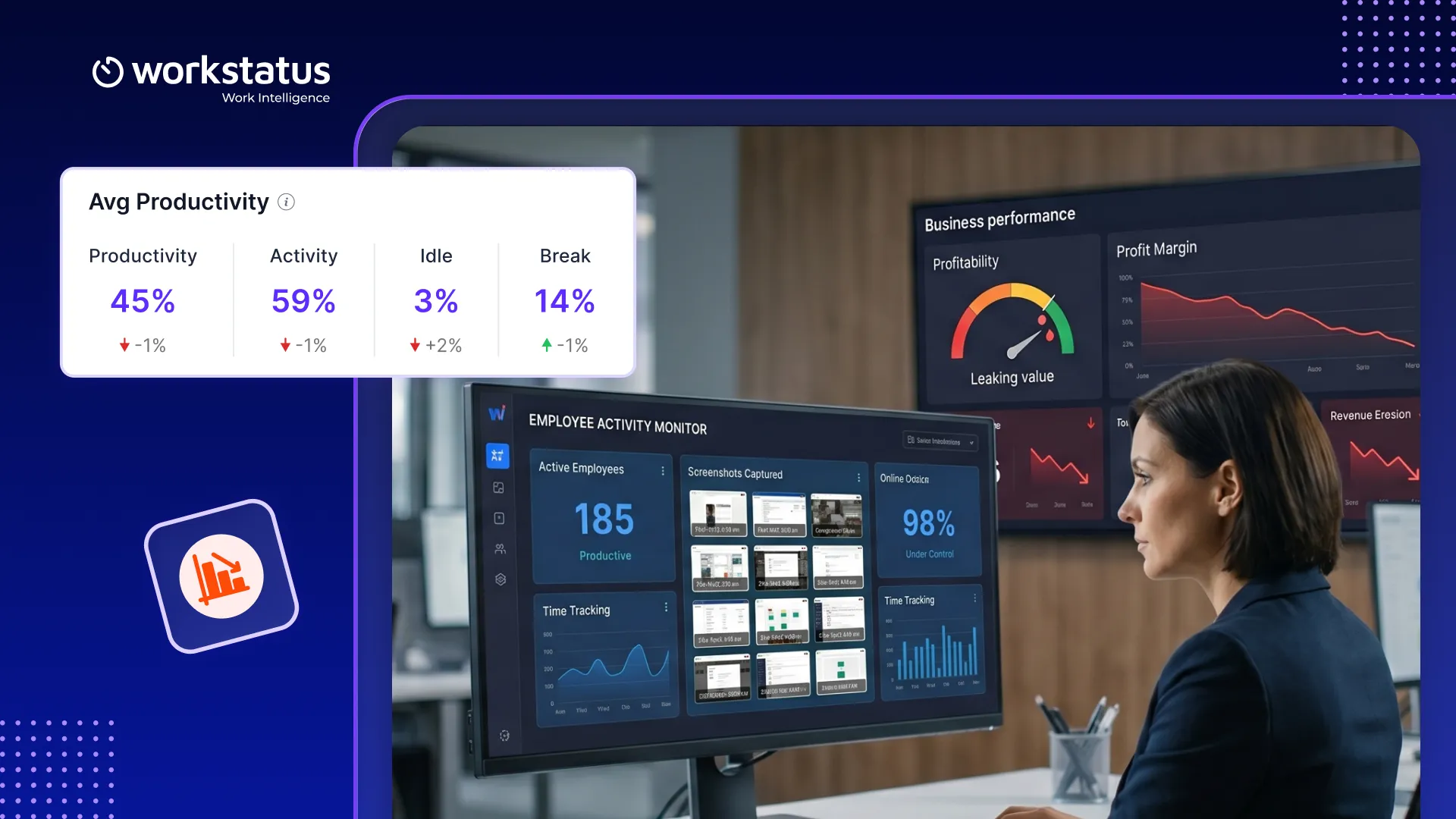
- Focus & productivity insights to support better work efficiency
With clearer visibility into daily work activities, businesses can improve planning, balance workloads, and make better project decisions.
This helps teams stay productive while protecting project margins.
How Can Tracking Non-Billable Work Increase Profitability?
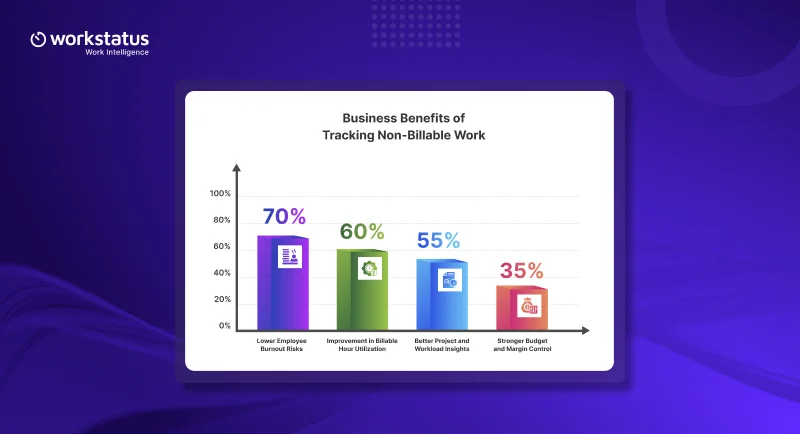
When you track your billable work, the businesses automatically gain better visibility. Here are some real business results that you can achieve:
- 70% lower employee burnout risks
- 60% improvement in billable hour utilization
- 55% better project and workload insights
- 35% stronger budget and margin control
In simple words, better visibility always leads to better business success and helps reduce non-billable time in agencies.
Best Practices for Managers and Operations Leaders
Tracking non-billable work is most effective when managers focus on improving workflows instead of increasing pressure on teams.
The goal should be better visibility, balanced workloads, and smarter project planning. Here are some best practices for managers and operations leaders:
- Keep time tracking simple and consistent
- Balance workloads alongside billable targets
- Review project budgets and time usage regularly
- Identify workflow gaps and repeated tasks
- Encourage transparent time reporting across teams
A balanced tracking approach helps businesses improve efficiency, support employee wellbeing, and maintain healthier project margins.
Conclusion
As you know, non-billable work is not easily identified, which can, in turn, reduce project profits while increasing team burnout.
The good part is that with better visibility, service businesses can manage non-billable work effectively, reduce workload stress, improve profits, and make smarter project decisions.
But how is this possible? Just with a Work Intelligence platform like Workstatus, you can track billable and non-billable hours, track team health, and keep the project profitable.
FAQs
Ques: What do you mean by non-billable work?
Ans: Non-billable work includes tasks that support operations but cannot be charged directly to clients, such as meetings, admin work, and training.
Ques: Why is tracking non-billable work important?
Ans: Yes, tracking non-billable work is very important because it helps the service businesses manage their workload, planning, budgets, and ultimately protect their project margins.
Ques: How to track non-billable activities?
Ans: Tracking non-billable work helps you understand where time is spent.
- Categorize non-billable tasks
- Track all work hours
- Review reports regularly
Ques: How to improve profit margins in a service business?
Ans: Better visibility into work helps improve profitability.
- Track both billable and non-billable work
- Improve resource planning and workload balance
- Reduce unnecessary tasks and rework
Ques: What are common examples of non-billable work?
Ans: Some of the common examples for non-billable work include:
- Internal Meetings
- Reporting & Training
- Team Coordination.