
Table of Contents
AI tools are everywhere in agencies today. Upto 78% of organizations globally are already using AI in at least one business function.
Many agencies are using ChatGPT for content, Midjourney for design, SurferSEO for optimization, and dozens of other tools to work faster and deliver more.
But here’s the problem:
While AI is speeding up execution, most agencies still lack visibility into how these tools are actually impacting productivity, billable work, and team performance.
You may know which AI tools your team uses, but not:
- Which tools are driving real output
- Where time is being spent
- Where teams need coaching
- Which workflows are creating inefficiencies
That’s the missing layer.
To truly measure the ROI of AI in agencies, they don’t need more automation tools; instead they need Workforce Intelligence.
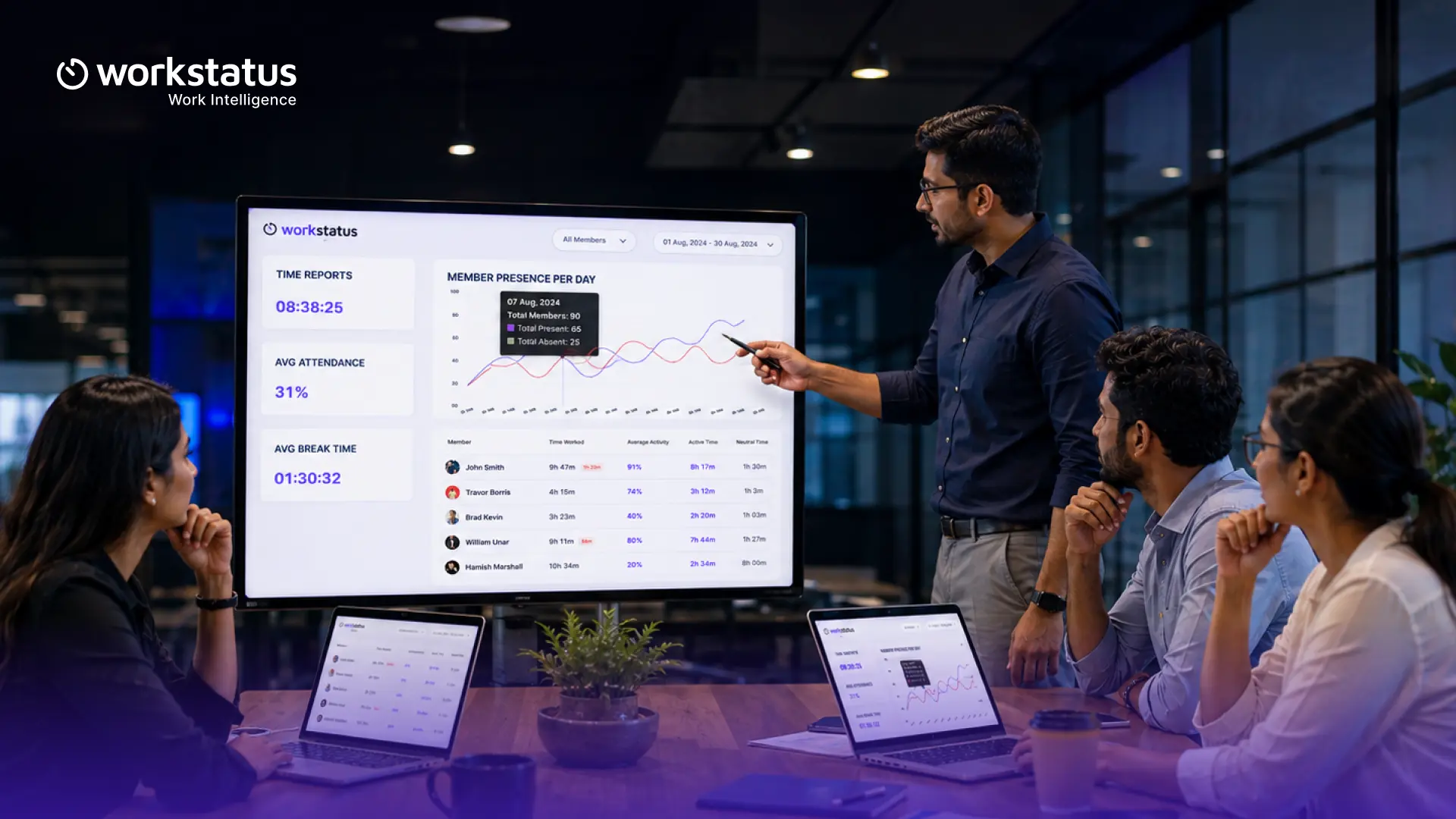
With this, agencies can easily understand how AI is helping their teams. It gives managers a clear & transparent view of productivity, workloads, and project delivery, so they can see where work is improving.
In this blog, you’ll explore the ROI of AI for agencies and how you can measure workforce efficiency in distributed teams.
In this blog, you’ll learn how AI helps agencies work better and how to track team efficiency.
Let’s look at it how!!
The Operational Challenges of Distributed Teams
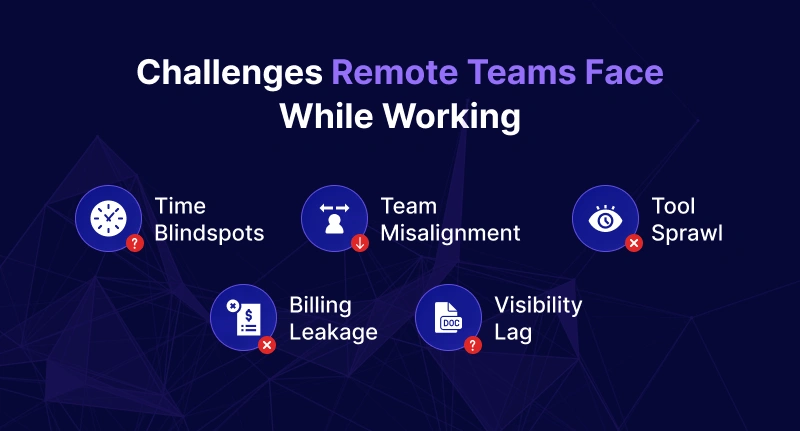
Managing a team that too across different locations and time zones is not easy.
On the contrary, we know the fact that distributed teams help agencies grow, but it can be difficult at the same time to track the work, manage the tasks, and keep everyone on the same page.
These are some challenges that they face:
- No visibility into how time is spent
- Unable to track billable vs. non-billable work
- Communication gaps across teams and projects
- Tool overload with disconnected workflows
- Delayed visibility into productivity or delivery issues
And, after adopting more AI tools and remote workflow, these challenges become more difficult to manage.
How AI is Driving Workforce Efficiency
There has always been a debate on “is your team working hard or are they simply working faster with AI? “
And, thats the new shift which agencies are seeing now.
AI is no longer just saving its time on repetitive tasks; instead, it is helping the teams improve productivity, speed up delivery, and focus more on high-value work.
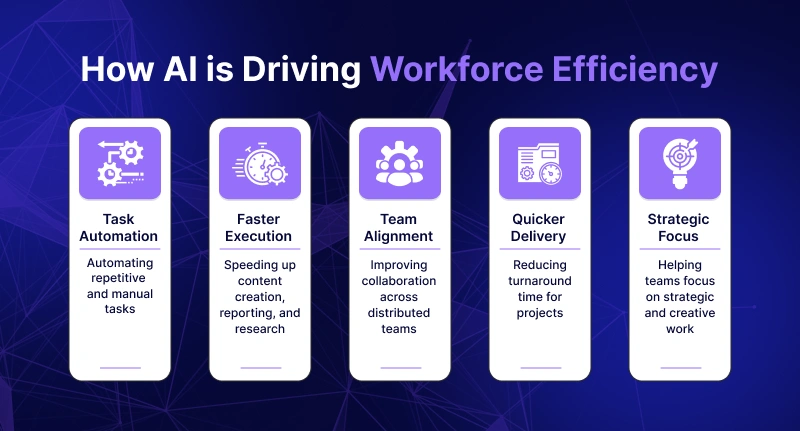
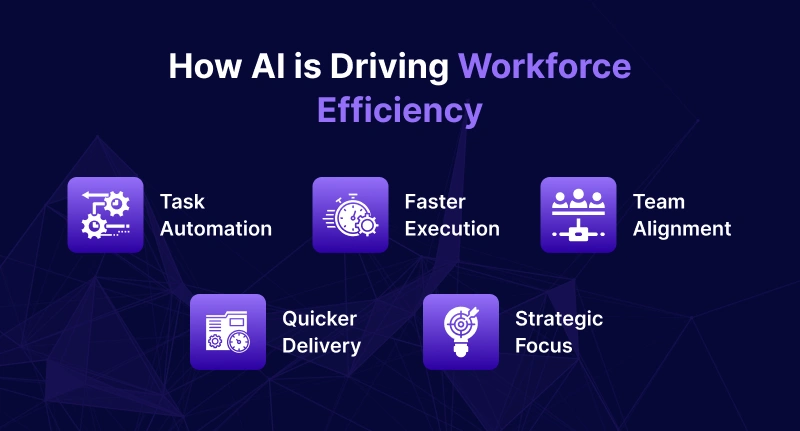
Here’s how AI is driving workforce efficiency:
- Doing manual & repetitive tasks automatically
- Making content, research & report faster to complete
- Improving collaboration across distributed teams
- Reducing turnaround time for projects
- Helping teams focus on strategic and creative work
AI may improve execution speed, but agencies still lack visibility into operational performance.
That’s where workforce intelligence for agencies becomes essential for measuring real efficiency gains.
Adding the Workforce Intelligence Layer with Workstatus
AI tools can speed up work, but without visibility, it’s difficult to know whether they’re actually improving productivity or just increasing tool usage.
That’s where Workstatus adds the workforce intelligence layer.
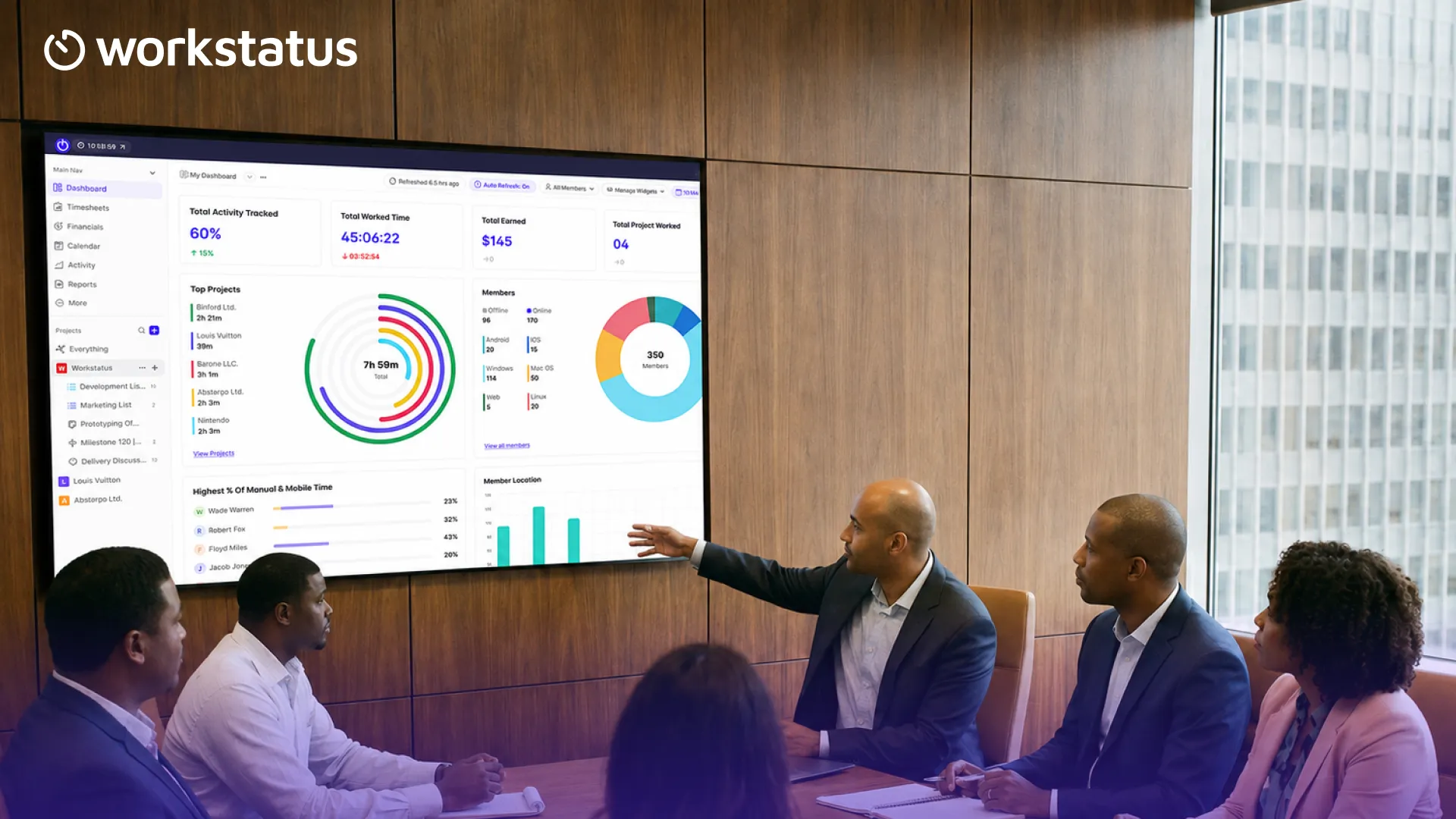
It helps agencies connect AI usage with real work outcomes, giving leaders complete visibility into how teams operate across distributed environments.
With Workstatus, agencies can:
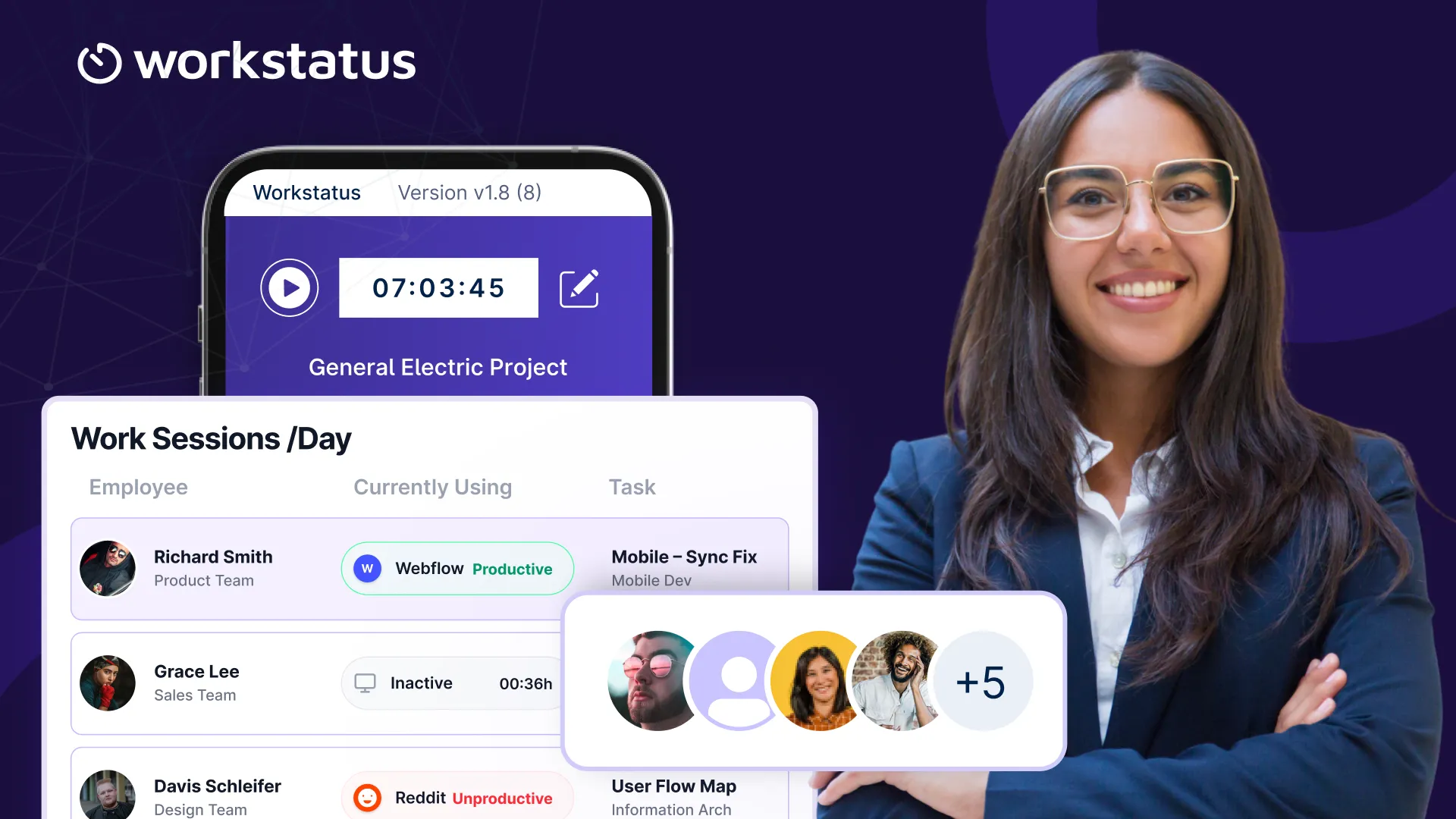
- Get a clear view of billable hours spent across AI tools
- Identify productivity patterns and coaching opportunities
- Spot misuse, inefficiencies, and workflow gaps
- Understand which tools are driving real output and performance
But while AI in digital agency operations improves execution speed, agencies still need visibility into how these tools impact productivity, utilization, and overall performance.
That’s where workforce intelligence becomes essential for measuring real efficiency gains.
Key Metrics Agencies Should Track to Measure ROI of AI
Now that you know, how can adding Workforce Intelligence help you. But now the question is, how do you know that AI is improving your performance in your agency?
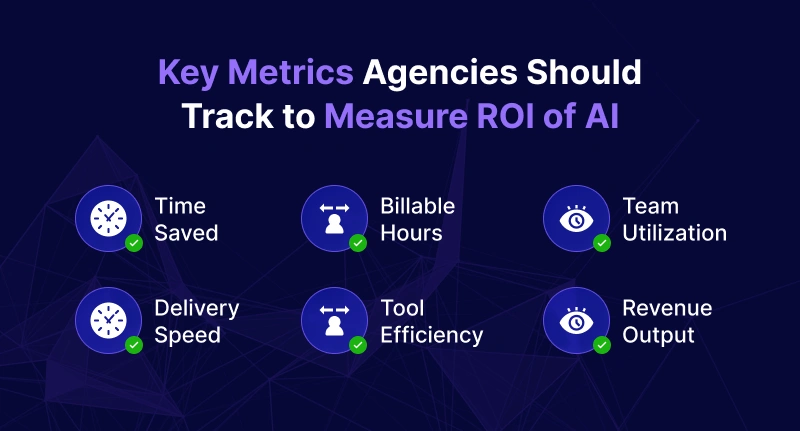
To measure the true ROI of AI, agencies need to track the right workforce & productivity metrics. Here are some of the metrics that make sense:
- Time saved through AI automation
- Billable vs. non-billable hours
- Employee productivity and utilization rates
- Project turnaround and delivery speed
- Tool adoption and usage efficiency
- Revenue generated per employee or project
Tracking these metrics helps agencies measure AI’s real impact on productivity, team efficiency, and how it can increase agency profitability with AI.
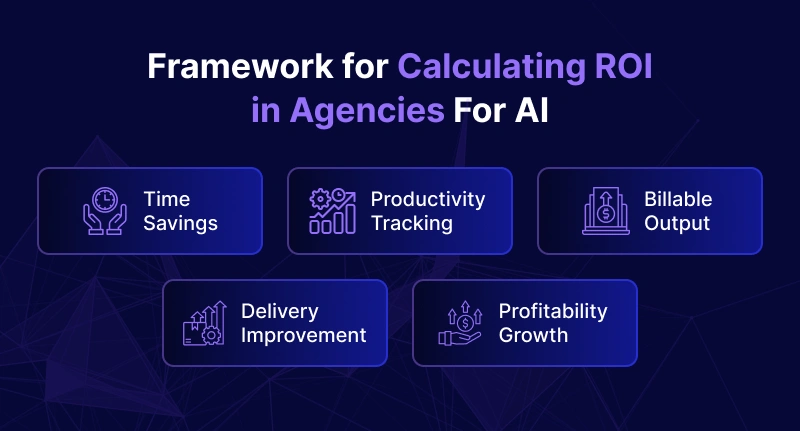
Framework for Calculating ROI in Agencies For AI
How can agencies tell if AI is actually delivering business value?
The best way is to measure AI impact on team productivity before and after adoption using clear operational and workforce metrics.
A simple ROI framework helps agencies move beyond assumptions and track real performance improvements.
Here’s a simple framework agencies can follow:
- Measure current productivity, utilization, and project delivery metrics
- Identify areas where AI is reducing manual work or saving time
- Compare billable output before and after AI adoption
- Track improvements in delivery speed and team efficiency
- Evaluate whether AI is helping increase profitability and resource utilization
The goal isn’t just to see whether teams are using AI tools; it’s to understand whether those tools are creating measurable improvements in productivity, efficiency, and business outcomes across distributed teams.
Best Practices for Maximizing AI ROI
AI tools alone won’t guarantee better performance. Agencies need the right visibility, workflows, and workforce insights to turn AI adoption into measurable business results.
Here are some best practices agencies should follow:
- Use AI to reduce repetitive and manual work
- Track productivity and billable output regularly
- Combine AI tools with workforce intelligence platforms like Workstatus
- Identify which tools improve delivery and team efficiency
- Monitor utilization, workflow gaps, and inefficiencies
- Continuously optimize workflows based on performance insights
The agencies seeing the highest ROI from AI are the ones measuring how work happens, not just how many tools are being used.
Conclusion
AI helps agencies automate work, save time, and improve productivity, but without visibility, its true impact gets lost.
But Workstatus changes that with AI-powered workforce management for agencies and smart workforce tracking, helping teams work smarter, deliver faster, and drive real growth.
FAQs
Ques: How can agencies measure AI ROI?
Ans: AI ROI can be measured through operational performance improvements.
- Productivity tracking
- Billable hours comparison
- Project delivery analysis
Ques: Why is workforce visibility important?
Ans: Workforce visibility helps agencies run teams more efficiently.
- Better productivity
- Higher utilization
- Improved operational efficiency
Ques: How does Workstatus help agencies?
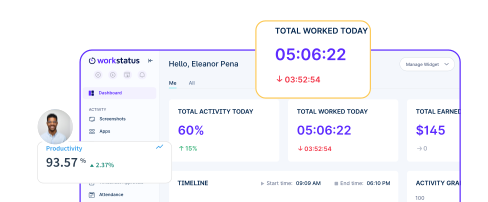
Ans: Workstatus provides real-time workforce performance insights.
- Tracks billable work
- Monitors productivity
- Analyzes tool usage
Ques: Which AI tools do agencies commonly use?
Ans: Agencies often use AI tools like OpenAI’s ChatGPT, Jasper, Midjourney, SurferSEO, and Adobe Firefly to create content, improve marketing, design visuals, and save time.
Ques: What challenges do agencies face when using AI?
Ans: Many agencies struggle to measure AI results clearly. Other common challenges include slow workflows, incorrect tool use, and a lack of clear visibility into team productivity.