
Table of Contents
Most agencies track time, but few truly understand profitability.
Hours are logged, projects move forward, and reports are filled out. But without clear insight into costs and margins, it’s hard to know what’s actually driving profit.
That’s where the shift begins.
Moving from time tracking to margin intelligence means connecting hours worked to real business outcomes: profitability, pricing, and performance.
In this playbook, you’ll learn how to make that shift and build a more profit-focused agency.
Let’s Go!
The Hidden Factors That Impact Agency Profit Margins

Most agencies see rising revenue and busy teams as signs of success, but that doesn’t always mean they’re profitable.
True profitability comes from how well work is priced, managed, and delivered.
- Revenue can grow while margins quietly decline
- Busy teams don’t always mean efficient or productive work
- Underpricing projects reduces overall returns
- Scope changes increase effort without clear visibility
- Limited insights lead to delayed and reactive decisions
When agencies understand these factors, they move beyond guesswork. They gain control over margins and build a more stable, scalable business.
From Timesheets to Operational Visibility
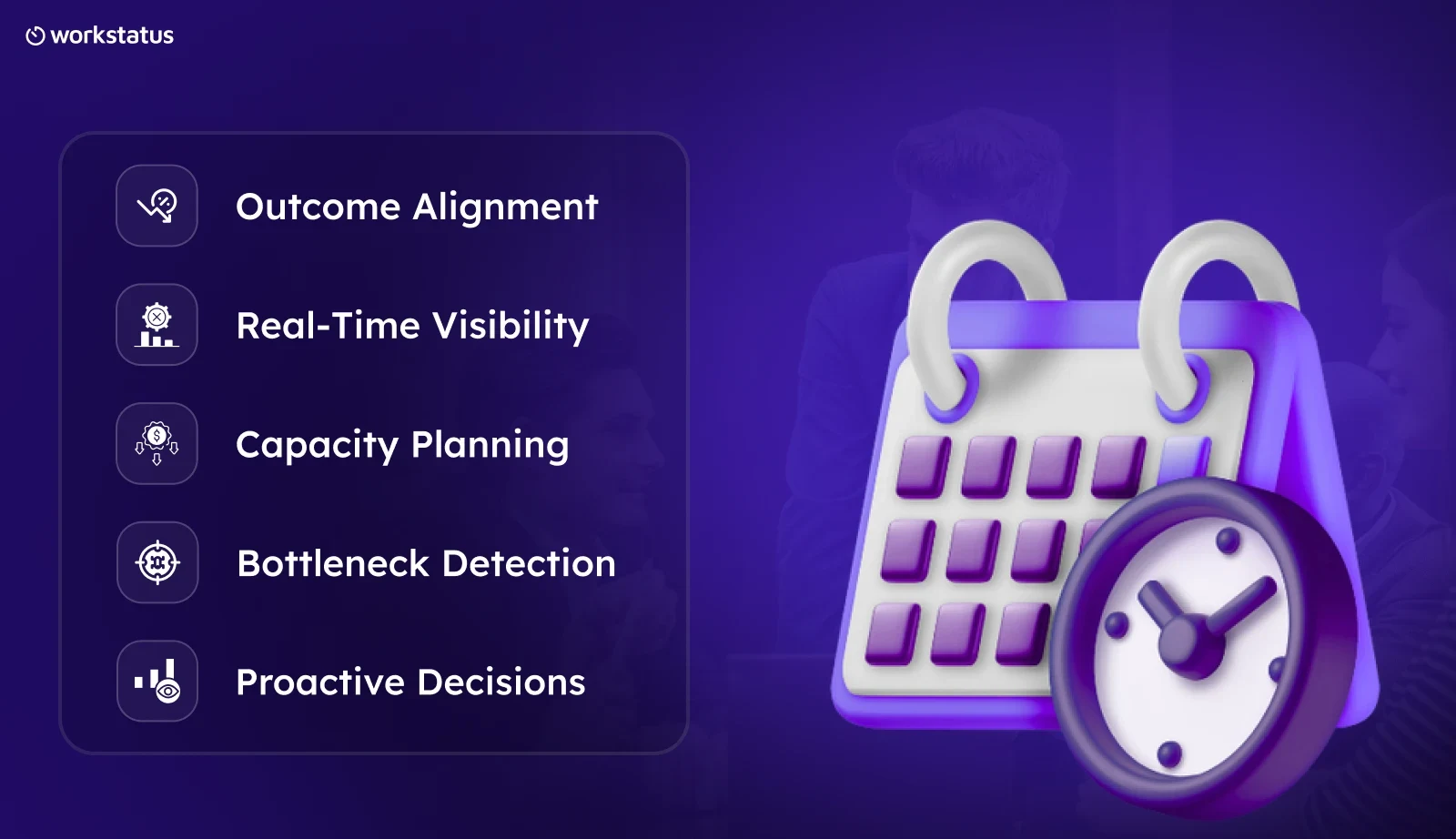
Most agencies rely on timesheets to track work, but tracking time alone doesn’t give a clear picture of performance.
To manage delivery and margins effectively, you need visibility into how work actually happens.
- Time data should connect to project outcomes, not just hours logged
- Real-time visibility helps catch delays before they escalate
- Workload insights make capacity planning more accurate
- Early bottleneck detection prevents cost overruns
- Data-driven tracking enables faster, proactive decisions
When agencies move beyond basic time tracking for digital agencies, they gain better control over execution. This leads to smarter planning, faster action, and more consistent profitability.
Building a Margin Intelligence Framework
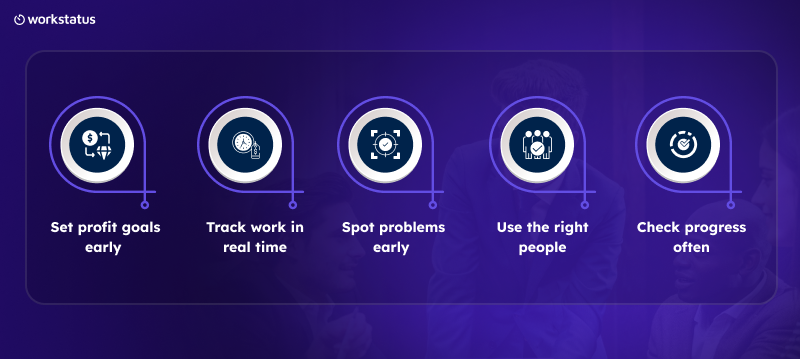
Many service teams find out about low profit too late, after the work is already done. Better teams don’t wait. They plan and track profit from the start.
A margin system helps you see what is happening while the work is going on; not just at the end.
Here’s how it works:
Set profit goals early
- Know your target before the project starts
Track work in real time
- See how time and effort are being used
Spot problems early
- Catch scope creep or extra work before it grows
Use the right people
- Assign work in a way that protects profit
Check progress often
- Review regularly, not just after delivery
When you do this, you don’t just “hope” for profit; you manage it.
This helps your team stay in control, make better decisions, and keep profits steady as you grow.
Pricing Strategy and Profit Engineering
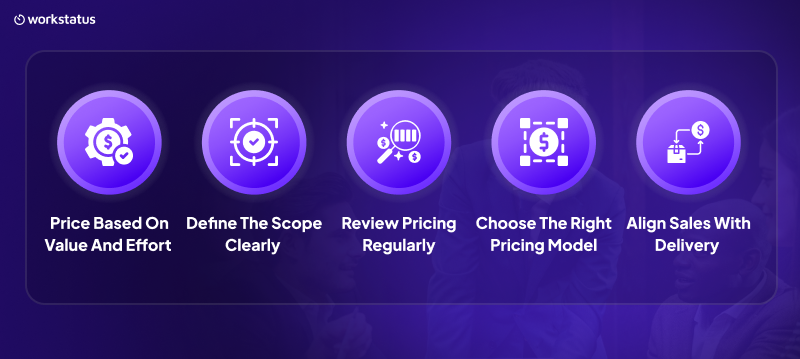
Many service teams win projects but still struggle with profit.
This happens when pricing is not linked to actual work, time, and delivery risks. Strong teams treat pricing as part of project planning, not just a sales step.
Here’s what works:
Price based on value and effort
- Don’t ignore the real work needed to deliver
Define the scope clearly
- Avoid hidden work that reduces margins
Review pricing regularly
- Update rates as costs and team size change
Choose the right pricing model
- Fixed, time-based, or retainer based on project risk
Align sales with delivery
- Don’t commit to work that cannot be delivered profitably
When pricing is done right, teams avoid undercharging and reduce project overruns. This helps improve margins, make better project decisions, and grow in a more stable way.
Resource Utilization and Capacity Optimization
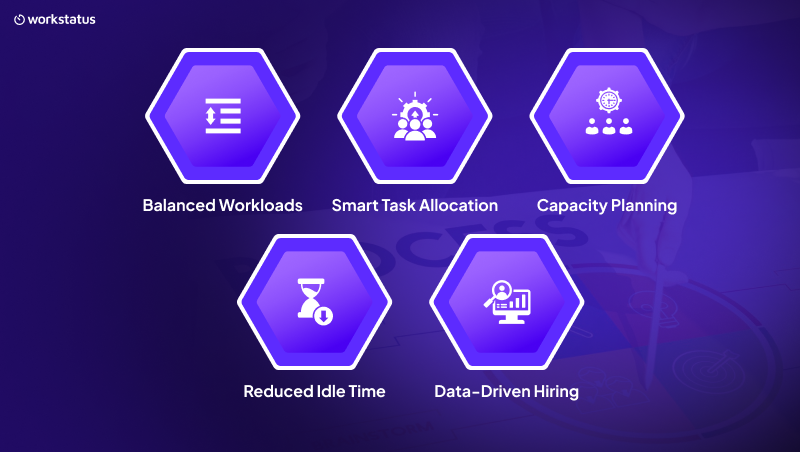
This happens when they cannot clearly see how time is used, who is overworked, and where capacity is being lost.
Better teams manage utilization and capacity as part of their daily work, not after problems arise.
- Keep teams balanced to avoid burnout and uneven workloads
- Assign the right people to the right work to reduce delays and rework
- Plan capacity ahead so new projects don’t cause overload
- Reduce idle time without pushing teams too hard
- Hire based on real workload and demand, not guesswork
When utilization is clear, teams avoid overruns and last-minute pressure.
This leads to smoother delivery, better time use, and stronger, more predictable margins.
Client Portfolio Profitability Management
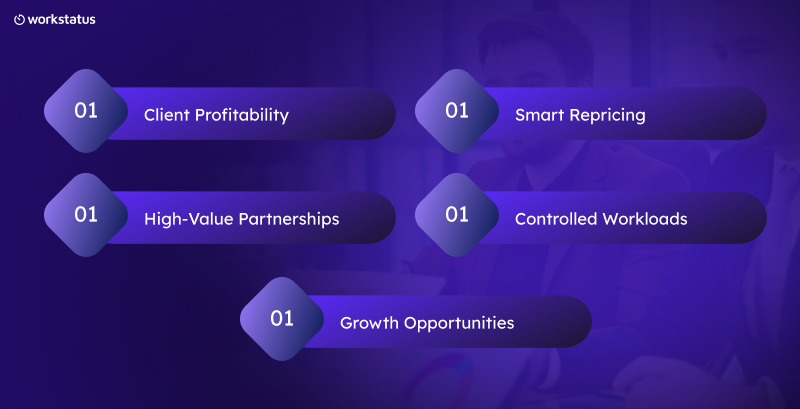
Not every client contributes equally to your agency’s financial performance. The mix of clients you serve directly impacts your margins, team efficiency, and long-term growth.
Here’s how to manage it effectively:
- Evaluate clients based on their margin contribution
- Reprice or restructure low-profit engagements
- Focus on high-value, long-term partnerships
- Avoid over-servicing that strains your team
- Identify growth opportunities within profitable accounts
By actively managing client profitability, you gain better control over where your time and effort go. This leads to stronger margins, improved efficiency, and more stable, scalable revenue.
Financial Dashboards that Drive Action
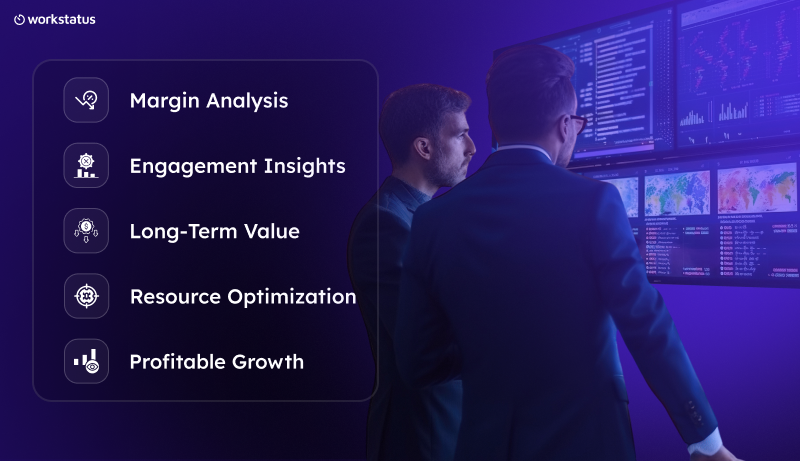
A growing client list may look like progress, but it doesn’t always translate into stronger profitability. What matters is how well you understand performance and act on it.
Here’s how actionable financial dashboards help:
- Assess each client’s true margin contribution
- Identify underpriced or high-effort engagements
- Prioritize clients with long-term value
- Prevent resource drain from over-servicing
- Build clear plans to grow profitable accounts
When agencies use financial dashboards proactively, they make faster, more informed decisions about where to invest time and resources.
This leads to a healthier revenue mix and more sustainable financial performance.
Technology Stack for Profitability Intelligence
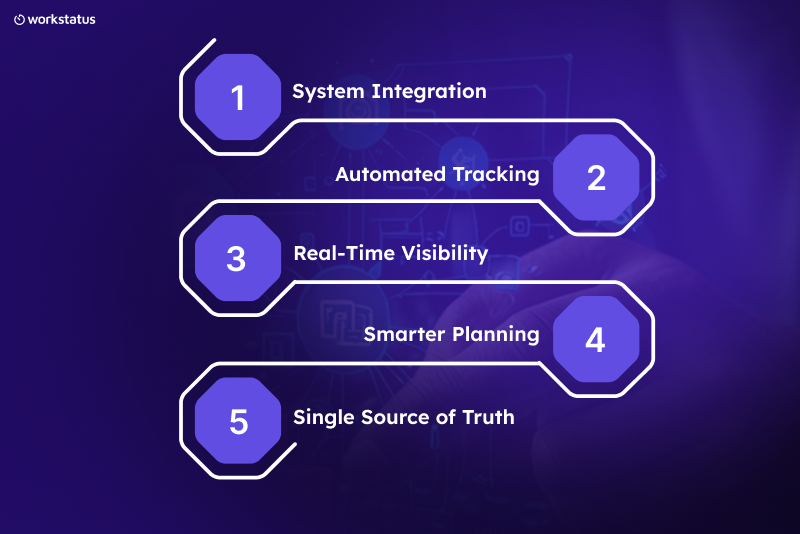
As agencies grow, managing profitability with spreadsheets and disconnected tools becomes inefficient and unreliable.
A well-integrated technology stack turns scattered data into clear, actionable insights.
Here’s what it should enable:
- Integrate project, finance, and resource management systems
- Automate tracking of time, costs, and delivery performance
- Provide real-time visibility into margins and performance
- Use data to improve pricing and capacity planning
- Maintain a single, reliable source of truth
With the right technology in place, agencies gain faster insights and stronger control over financial outcomes.
This leads to better decisions, improved efficiency, and more predictable, scalable profitability. Agencies managing large volumes of creative deliverables can also incorporate tools like Dresma to streamline visual content production and support efficient client execution.
Change Management: Embedding a Profitability Mindset
Improving margins isn’t just about better tools or processes; it requires a shift in how teams think about performance and value. A strong profitability mindset aligns everyday actions with long-term financial goals.
Here’s how to build it:
- Create awareness of how each role impacts margins
- Align incentives with profitability outcomes
- Encourage data-driven decision-making
- Foster accountability across teams
- Establish consistent performance review practices
When profitability becomes part of the culture, improvements are more sustainable and scalable. Teams move beyond simply delivering work to delivering measurable business value.
Workstatus: Enabling Real-Time Margin Intelligence
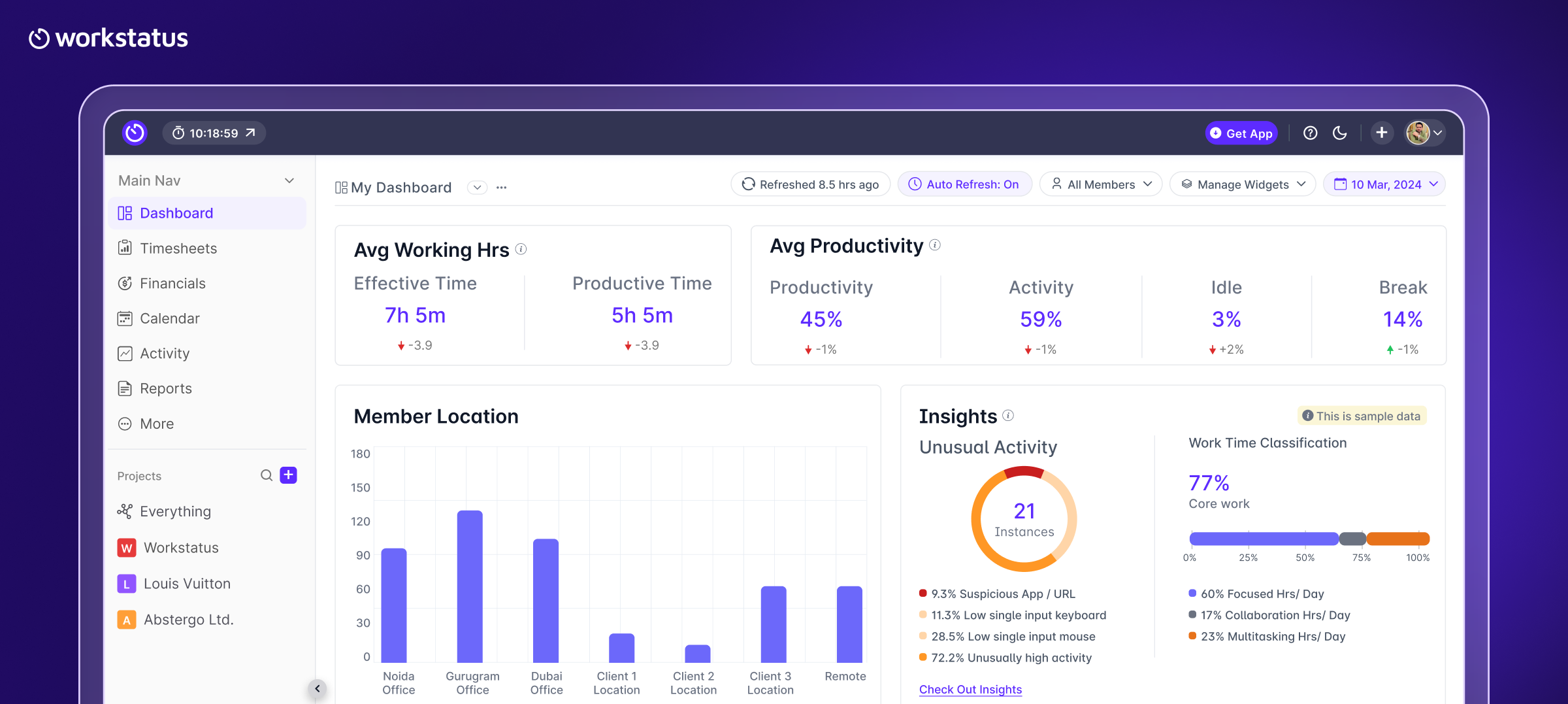
Agencies can’t improve profitability by tracking hours alone. They need Time Intelligence that shows how team effort impacts project revenue and costs.
Workstatus helps agencies turn everyday work data into clear, actionable profit insights.
Here’s how it supports better decisions:
Automated Time Tracking
- Accurately tracks billable and non-billable hours to improve visibility into profitability.
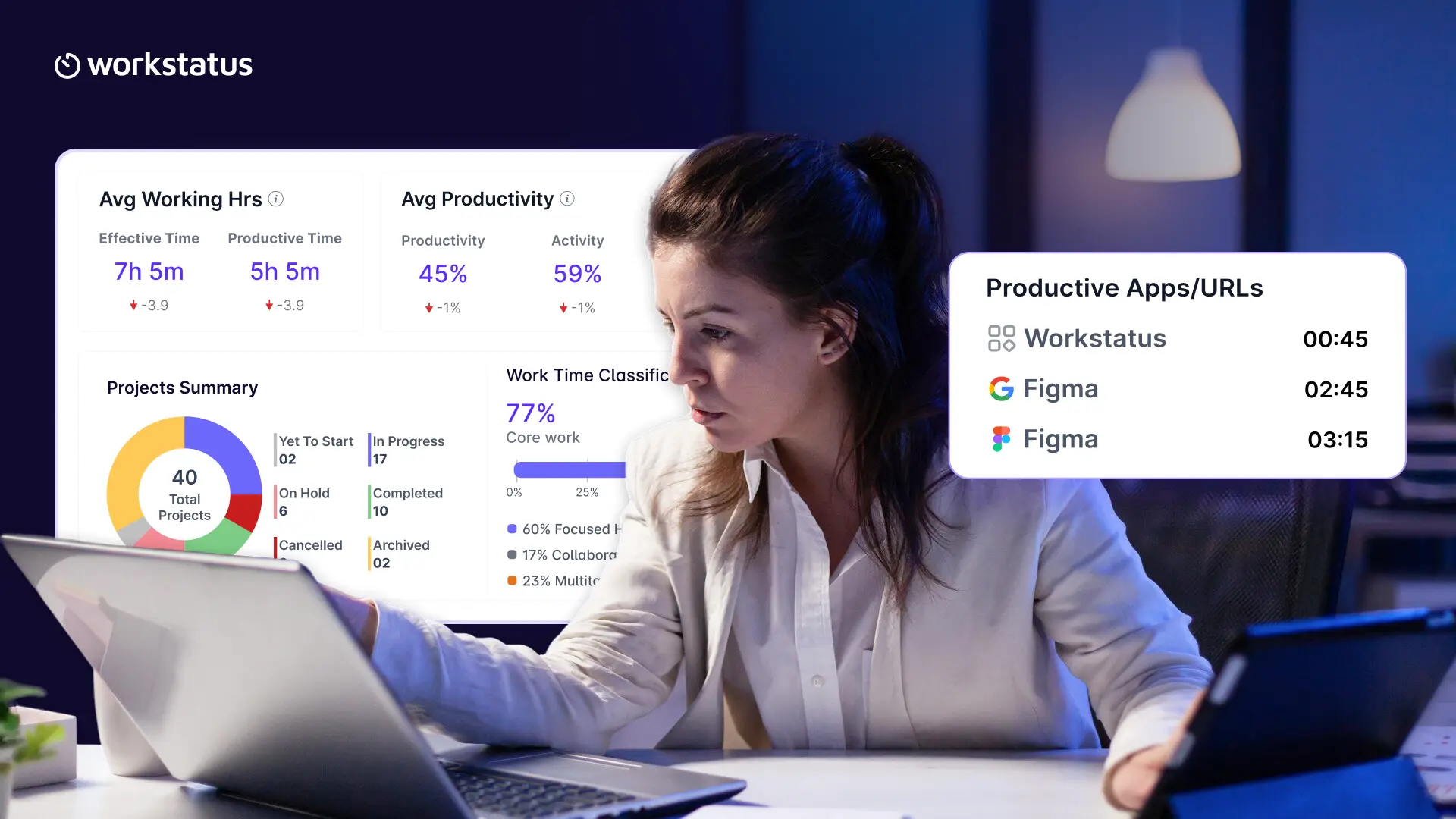
Real-Time Profitability Dashboards
- Provides live insights into project margins, utilization, and team performance.
Project Cost Tracking
- Connects time data with budgets and costs to monitor project profitability.
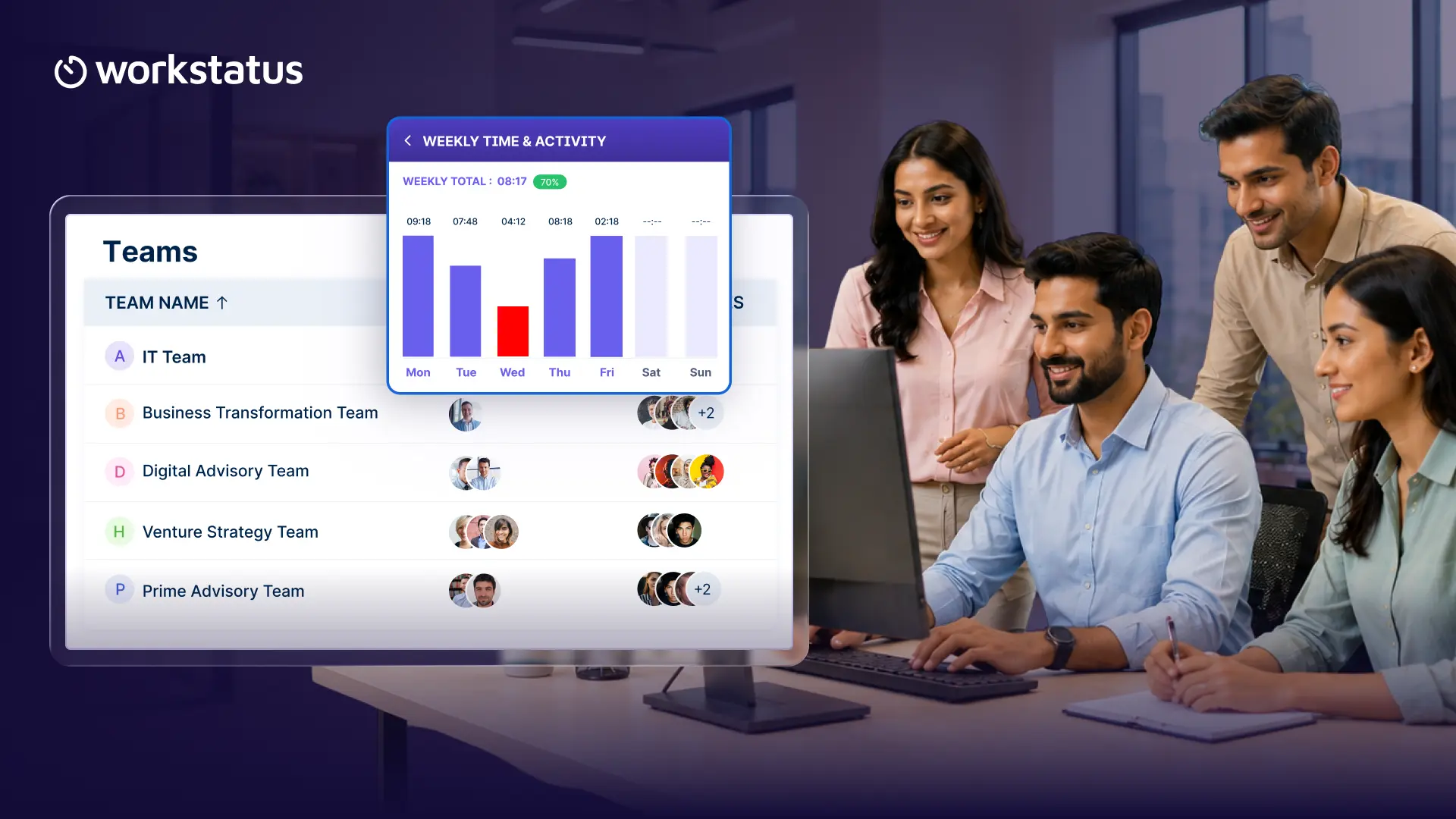
Resource & Capacity Planning
- Optimizes team allocation and prevents overutilization or idle resources.
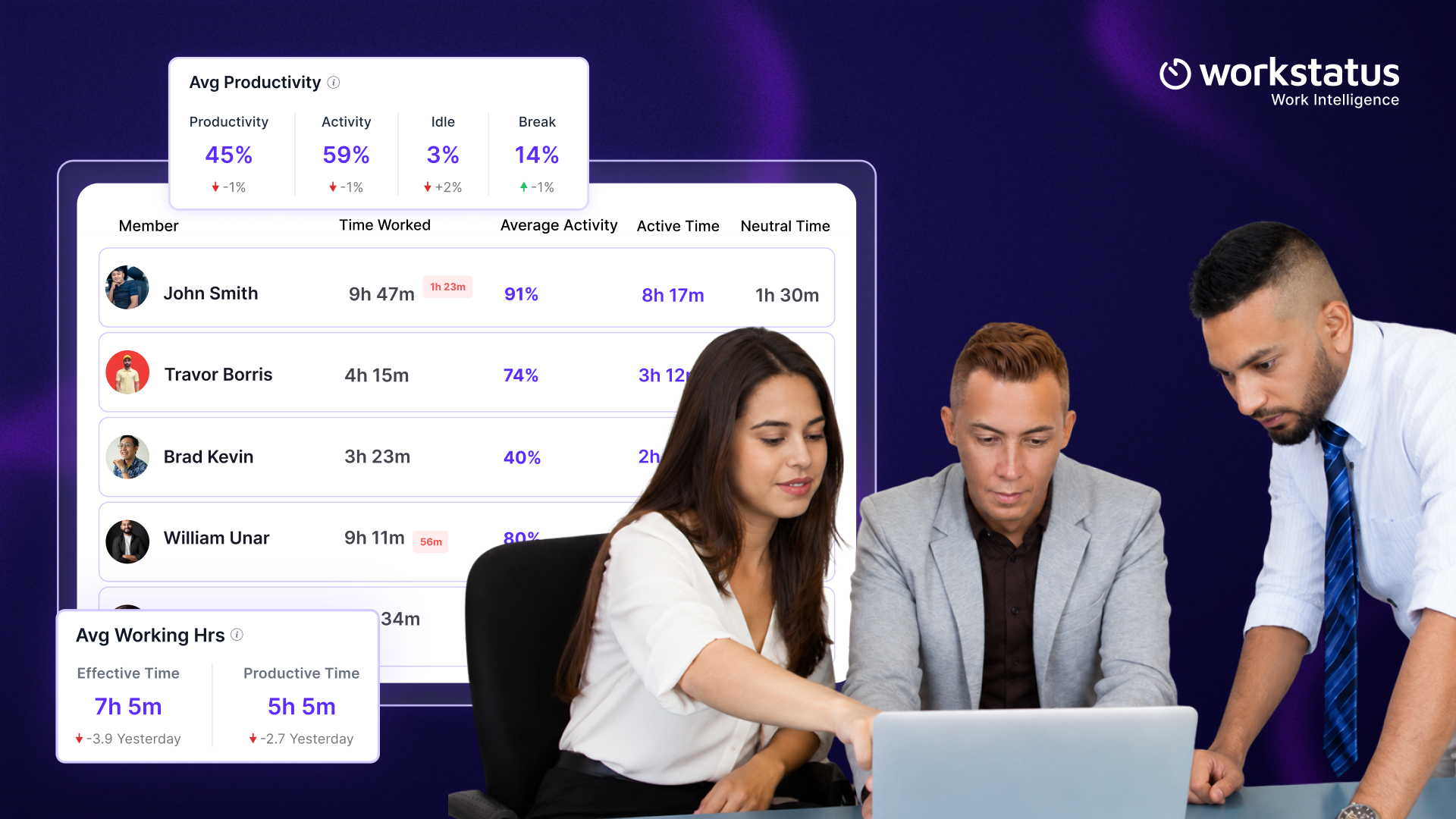
Productivity Analytics
- Measures productivity trends and performance data to support smarter business decisions.
Advanced Reporting & Client Invoicing
- Generates detailed online time reports and accurate invoices directly from tracked work hours.
Accurate Payroll Management
- Ensures precise payroll processing using verified work hours and attendance data.
By making work data easy to understand, Workstatus helps agencies manage profitability more effectively.
The result is better decision-making, stronger project control, and steady, sustainable growth.
Implementation Roadmap: 90-Day Profitability Transformation Plan
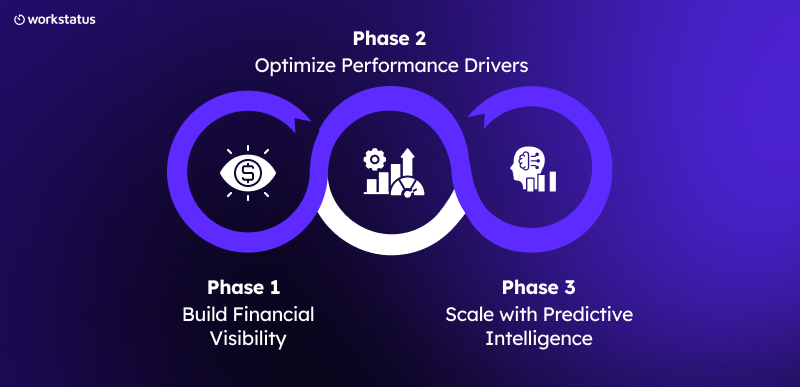
A structured roadmap helps agencies turn profitability goals into clear, time-bound actions.
By focusing first on visibility, then optimization, and finally scalability, teams can build steady financial momentum.
Phase 1: Build Financial Visibility
- Audit current project margins and cost structures
- Establish baseline metrics for utilization and realization
- Create simple dashboards for leadership alignment
Phase 2: Optimize Performance Drivers
- Address pricing gaps and strengthen scope management
- Streamline workflows to reduce delivery inefficiencies
- Rebalance workloads to improve utilization
Phase 3: Scale with Predictive Intelligence
- Introduce forecasting for demand and capacity planning
- Standardize profitability reviews across teams
- Use performance insights to guide strategic decisions
Following this phased approach helps agencies move from scattered improvements to a focused, disciplined profitability transformation.
Conclusion: Building a Future-Ready Profitable Agency
To build a future-ready agency, teams need real-time visibility and smarter decisions.
Understanding digital agency profit margin benchmarks helps agencies improve performance, control costs, and grow profitably.
With Workstatus, teams gain the insights needed to plan better, boost productivity, and maximize margins.
So, what are you waiting for? Switch to Workstatus now and start growing smarter.
FAQS
Q. Why is agency profitability hard to measure?
Ans. Because revenue and billable hours do not show the full cost of work, team efficiency, or real client profit.
Q. How does time tracking impact profitability?
Ans. It shows how much effort is spent on tasks. Profit improves when this data is linked with pricing and project costs.
Q.How to improve profitability in a marketing agency?
Ans. Improving profitability starts with better visibility into time, costs, and team performance.
- Track billable hours and reduce unproductive time
- Optimize team utilization and resource planning
- Use real-time reporting to control project costs and margins
Q. Best way to track agency profit margins?
Ans. The best way is to track time, costs, and utilization together.
- Track billable and non-billable hours accurately
- Monitor project costs and team utilization in real time
- Use automated reporting and client invoicing for better visibility
Q. How can tools like Workstatus help agency profitability?
Ans. They provide real-time insights into productivity and project costs, helping agencies make smarter profit decisions.